
Preparing Your Truck for Spring Road Trips

Winter weather creates hidden problems in trucks that surface during spring driving. This guide covers specific maintenance steps to keep trucks reliable for spring road trips and summer adventures.
- Cold temperatures and moisture affect fluid systems - check engine oil for contamination, inspect coolant for rust or foam, and examine transmission fluid for oxidation or water intrusion.
- Tires lose pressure during storage and can develop flat spots, while brake components deteriorate from moisture and salt exposure - test pedal feel and check fluid condition before long trips.
- TaxFree RV helps truck owners maintain vehicles through Montana LLC registration benefits and offers ongoing support at 1-888-441-5741.
Start by inspecting your tires for wear and proper inflation, as cold weather affects tire pressure. Check all fluid levels including oil, coolant, and brake fluid. Examine the battery for corrosion and test its charge. Replace worn wiper blades, inspect brakes and suspension components, and clean the undercarriage to remove salt and debris from winter driving.
Winter takes a toll on trucks, even those stored in garages. Cold temperatures, moisture, and months of inactivity create hidden problems that surface during the first warm-weather drive.
Smart truck owners know that truck spring preparation prevents roadside breakdowns and expensive repairs. A systematic approach catches winter damage before it strands you 200 miles from home.
This guide walks through the specific maintenance steps that keep your truck reliable for spring road trips and summer adventures.
Fluid System Revival After Winter Storage
Cold weather changes fluid viscosity and reveals leaks that developed during winter months. Start your inspection under the hood before touching the ignition.
Engine Oil and Filter Assessment
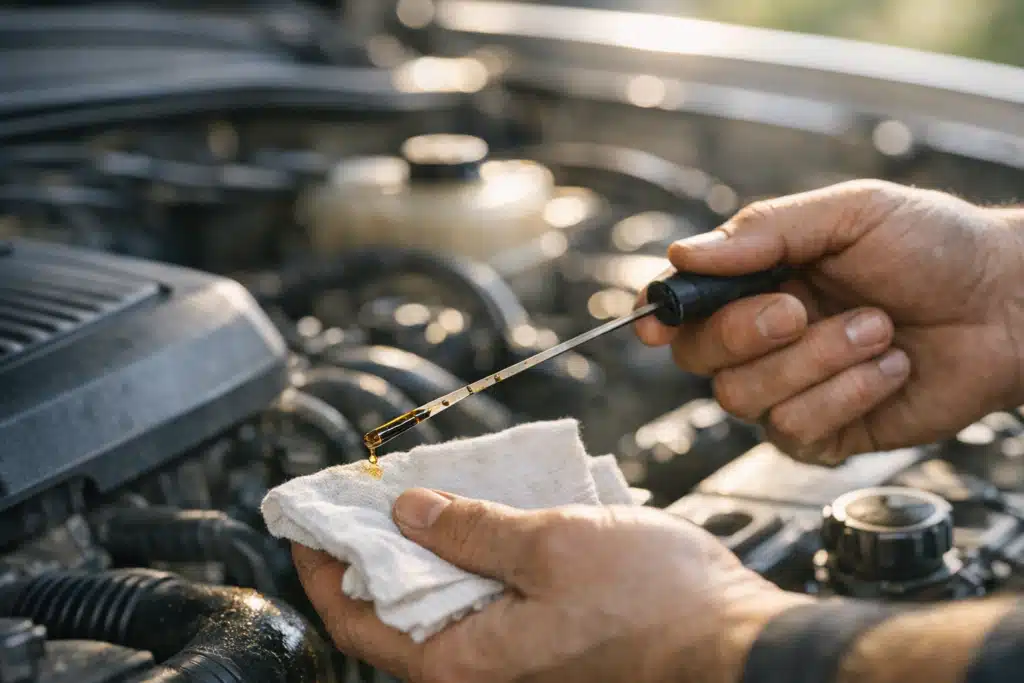
Pull the dipstick and examine oil color and consistency. Black, thick oil or metal particles indicate immediate change needs, regardless of mileage since the last service.
Winter condensation mixes water with oil, creating a mayonnaise-like substance on the dipstick or oil cap. This contamination destroys engine bearings if left untreated.
- Change oil and filter if the truck sat unused for more than three months
- Check for leaks around the oil pan, valve covers, and rear main seal
- Verify oil pressure during the first startup after storage
Coolant System Inspection
Coolant degrades over time, losing its ability to prevent corrosion and maintain proper pH levels. Winter freeze-thaw cycles stress hoses and gaskets.
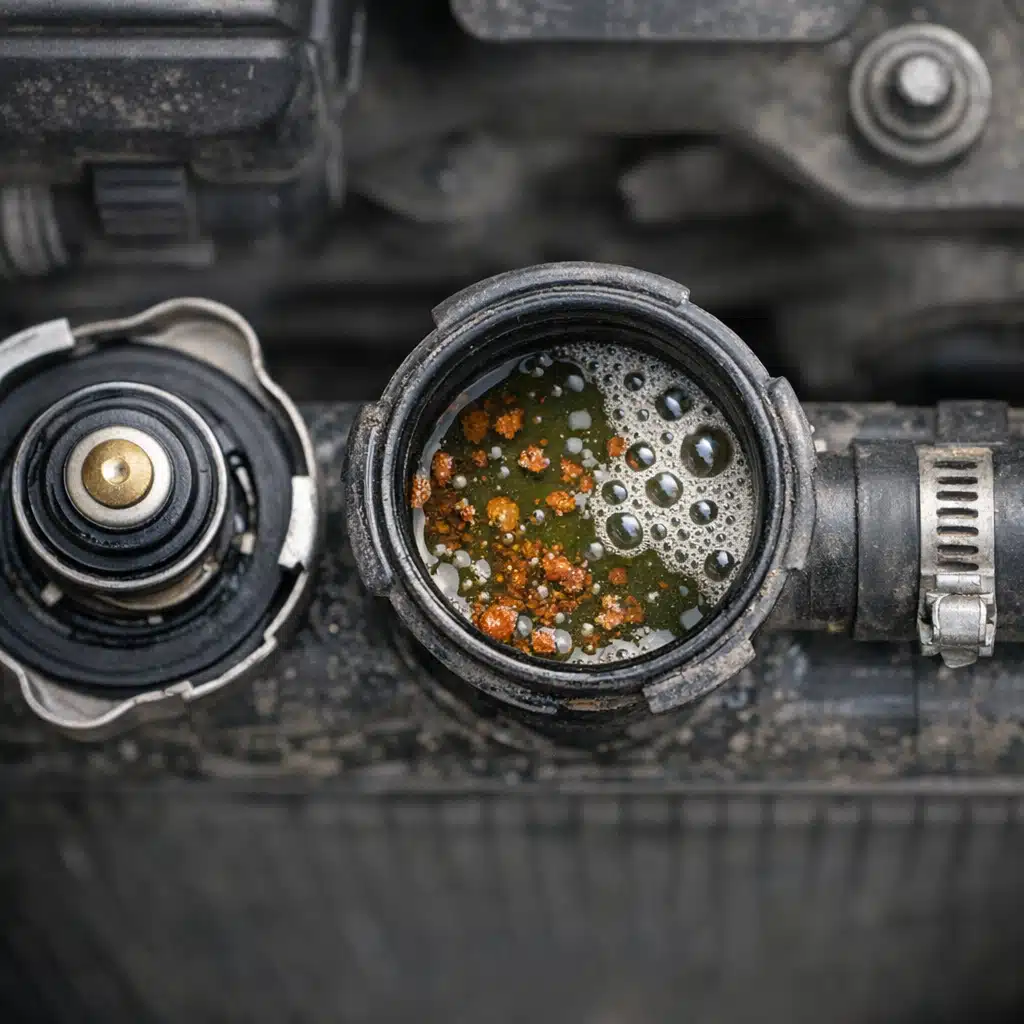
Remove the radiator cap when the engine is cold and look for rust particles, oil contamination, or foam. These signs indicate head gasket problems or internal corrosion.
Transmission and Differential Fluids
Automatic transmission fluid turns dark red or brown when oxidized. Manual transmissions often develop moisture contamination that appears as milky fluid.
Check differential fluid levels and consistency. Water intrusion through damaged seals creates the same mayonnaise appearance seen in contaminated engine oil.
Tire and Wheel Safety Check
Tires lose pressure during storage and develop flat spots from supporting vehicle weight in one position. Temperature changes accelerate pressure loss at roughly one PSI per 10-degree drop.
Pressure and Tread Inspection
Use a quality tire gauge to check all tires, including the spare. Inflate to door jamb specifications, not sidewall maximums.
Examine tread depth using the penny test or a tread depth gauge. Replace tires with less than 4/32-inch remaining tread before long trips.
Sidewall and Wheel Condition
Look for cracks, bulges, or weather checking in tire sidewalls. These defects cause sudden failures at highway speeds.
Check wheel condition for cracks, corrosion, or damage from winter road salt. Aluminum wheels are particularly susceptible to salt corrosion around valve stems and lug nut areas.
Brake System Performance Verification
Brake components deteriorate during storage as moisture causes rotor rust and pad corrosion. Salt exposure accelerates this process significantly.
Pedal Feel and Response Testing
Press the brake pedal with the engine off. The pedal should feel firm and hold pressure without slowly sinking to the floor.
Start the engine and pump the brakes several times to remove surface rust from rotors. Listen for grinding sounds that indicate pad replacement needs.
Brake Fluid Condition
Brake fluid absorbs moisture over time, reducing its boiling point and causing internal corrosion. Dark or cloudy fluid requires immediate replacement.
Check fluid level in the master cylinder reservoir. Low levels often indicate worn brake pads or internal leaks in the system.
Essential Spring Truck Preparation Steps
A systematic approach to truck spring preparation prevents missed items and reduces time spent on maintenance tasks.
- Battery load test – Cold weather reduces capacity by 30-50 percent
- Belts and hoses inspection – Look for cracks, fraying, or soft spots
- Air filter replacement – Dirty filters reduce fuel economy and performance
- Windshield wiper replacement – Winter ice damages rubber blades
- Lights functionality check – Test headlights, taillights, and turn signals
- Emergency kit replenishment – Replace expired items and missing tools
Electrical System Recovery
Batteries self-discharge during storage, and extreme cold reduces their cranking capacity. A battery that struggled through winter will fail during summer heat.
Clean battery terminals with baking soda and water to remove corrosion. Apply terminal protector spray to prevent future buildup.
Cooling System Preparation
Spring warming reveals cooling system weaknesses that winter cold masked. Thermostats stick, water pumps leak, and hoses develop internal cracks.
Run the engine to operating temperature and check for leaks, unusual noises, or overheating. Replace the thermostat if engine warm-up takes longer than normal.

 Posted on Google
Advanced Preparation for Extended Travel
Trucks heading out for long spring road trips need additional preparation beyond basic maintenance. Distance amplifies small problems into major failures.
Suspension and Steering Components
Winter potholes and road conditions stress suspension components. Check for loose or damaged parts that affect handling and tire wear.
Test steering response and alignment by driving straight on a level road. The truck should track straight without constant steering corrections.
Load-Carrying Preparation
Spring camping trips often involve heavy loads that exceed daily driving requirements. Verify that tires, suspension, and braking systems can handle planned cargo weight.
Check payload ratings on the driver’s door jamb and subtract passenger weight from gross vehicle weight rating to determine safe cargo capacity.
Professional Inspection Considerations
Some maintenance tasks require professional equipment and expertise. Knowing when to seek professional help prevents costly mistakes and safety hazards.
When to Visit a Service Center
Schedule professional service for brake fluid contamination, transmission problems, or cooling system leaks. These systems require specialized tools and knowledge.
Alignment checks and tire balancing need professional equipment that most home mechanics lack. Unbalanced wheels cause premature tire wear and uncomfortable vibrations.
Proper truck spring preparation prevents roadside emergencies and keeps maintenance costs reasonable. A systematic approach catches problems before they become expensive failures.
TaxFree RV helps truck owners maintain their vehicles with Montana LLC registration benefits and ongoing support. Contact our team at 1‑888‑441‑5741 to learn how proper registration saves money year-round.
Sources
- National Highway Traffic Safety Administration – Tire Safety
- Environmental Protection Agency – Vehicle Maintenance Guidelines
- National Institute for Automotive Service Excellence – Maintenance Standards