
How to Make Your Motorhome Spring-Ready
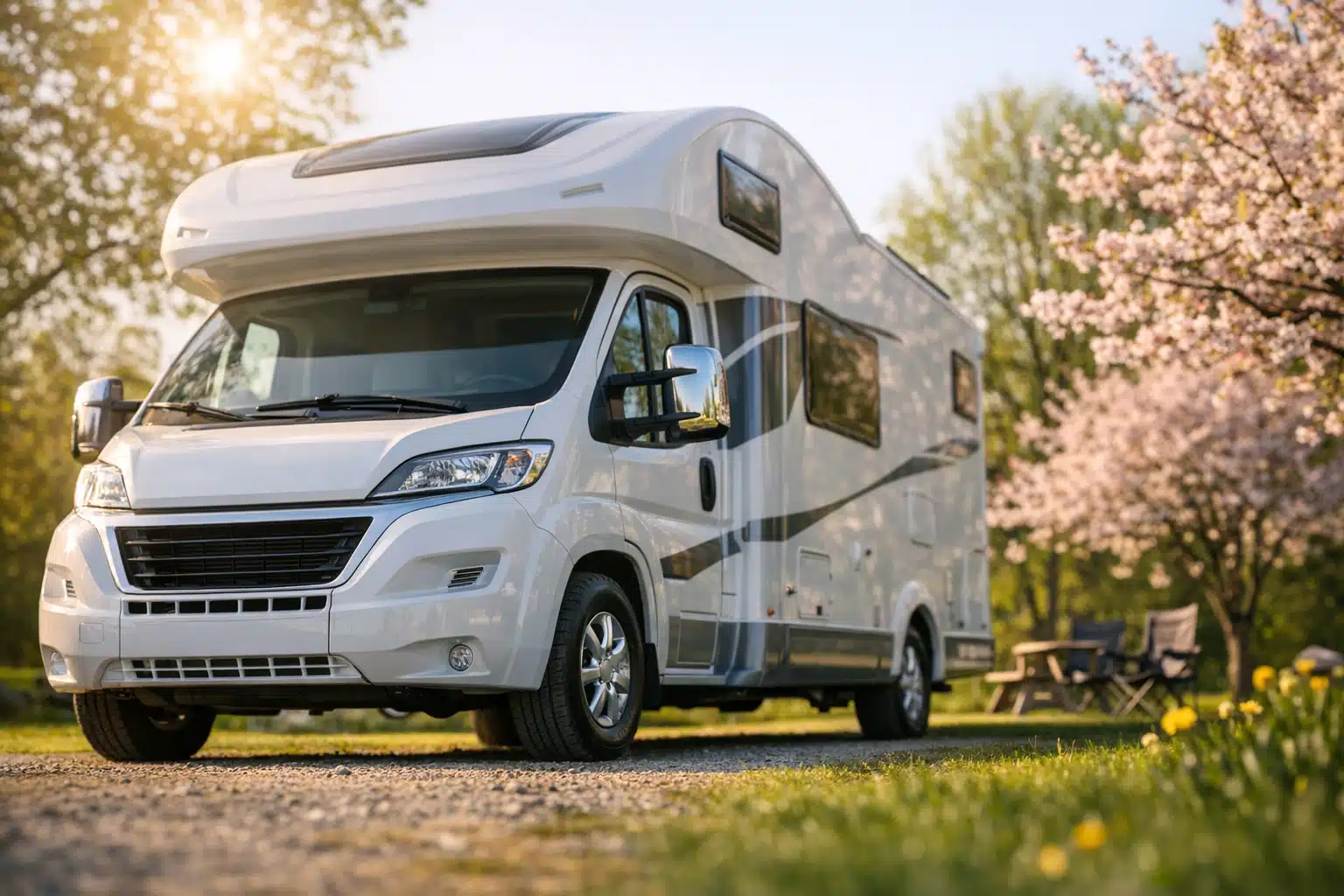
Winter storage affects motorhomes even when properly winterized, requiring systematic inspection of all systems before returning to the road. This checklist covers engine, plumbing, electrical, tire, and safety systems to prevent common breakdowns.
- Check engine oil consistency, coolant levels, and brake fluid color before starting the engine. Load test batteries and clean terminals with baking soda solution to remove corrosion.
- Fill the fresh water tank gradually while monitoring for leaks and run water at each faucet for two minutes to clear antifreeze residue. Inspect black and gray tank valves for proper sealing.
- Measure tire pressure when cold and examine sidewalls for hairline cracks indicating aging rubber. Replace smoke detector batteries and test propane leak detectors for proper response.
Start by inspecting the exterior for cracks, seal damage, and tire condition. Check all fluid levels and top off as needed. Test the battery and charge or replace if necessary. Flush the water system to remove antifreeze, then sanitize the fresh water tank. Inspect propane lines for leaks and test all appliances, lights, and safety equipment before your first trip.
Winter storage takes a toll on motorhomes, even when properly winterized. Motorhome spring preparation requires systematic inspection of every system that sits dormant for months.
This checklist covers the exact steps to safely return your RV to road-ready condition. Each section addresses specific winter-related issues that cause breakdowns if missed.
Engine and Mechanical Systems Revival
Engine preparation forms the foundation of safe spring travel. Fluids separate, seals dry out, and moving parts develop corrosion during extended storage periods.
Fluid Inspection and Replacement
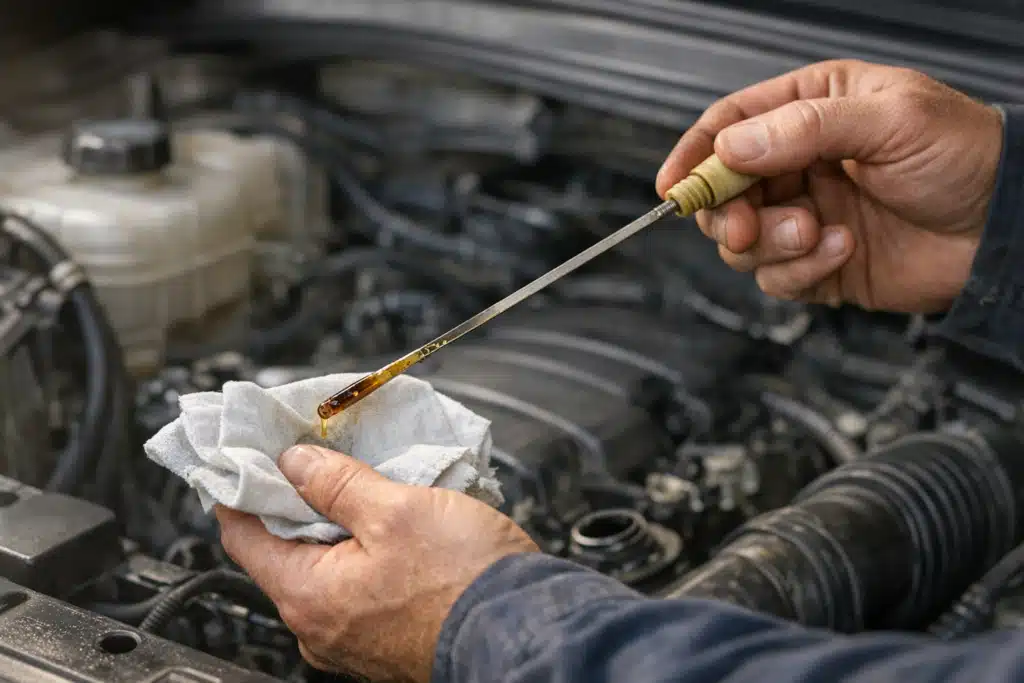
Check engine oil consistency first. Oil that appears thick, separated, or contains visible particles needs immediate replacement before starting the engine.
Examine coolant levels in both the overflow reservoir and radiator when cool. Look for rust-colored fluid or floating debris that indicates system corrosion.
Test brake fluid color and consistency. Dark brown or black fluid compromises braking performance and requires complete system flushing.
Battery and Electrical Systems
Load test house and chassis batteries under actual operating conditions. Batteries showing less than 80% capacity under load will fail during peak summer camping season.
Clean battery terminals with baking soda solution to remove winter corrosion buildup. Apply dielectric grease to prevent future corrosion in humid conditions.
- Test all exterior lights including turn signals, brake lights, and hazard flashers
- Verify backup camera and monitor functionality
- Check 12V outlet operation throughout the coach
- Test slide-out motor operation and alignment
Plumbing System Restoration
Water system revival requires careful attention to prevent expensive freeze damage discovery. Even properly winterized systems can develop hidden leaks or pump failures.
Fresh Water System Activation
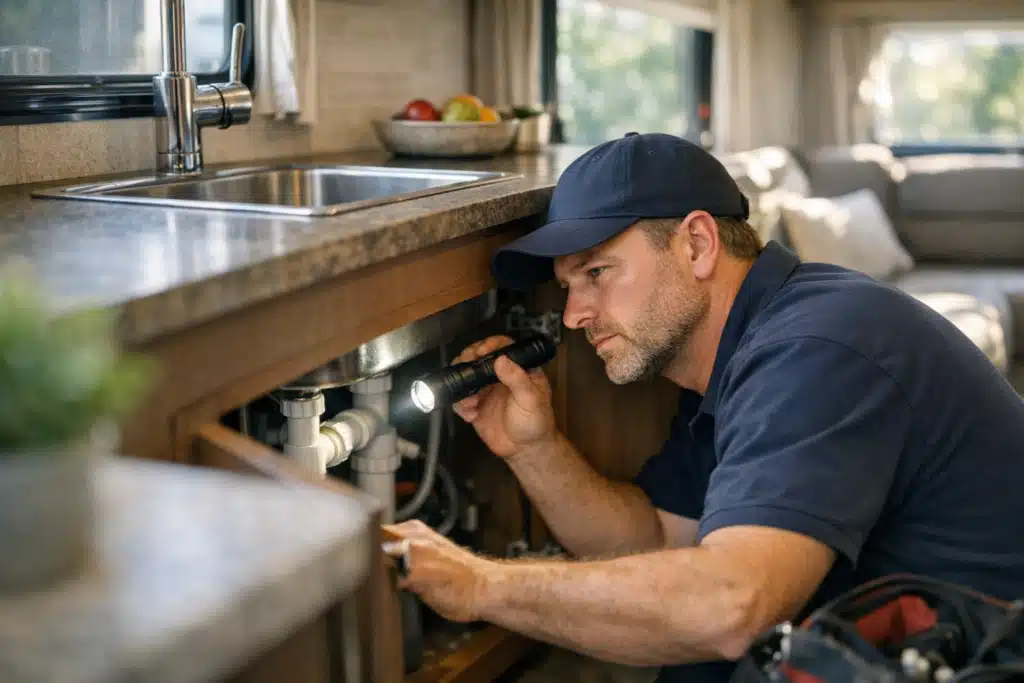
Fill the fresh water tank gradually while monitoring for leaks underneath the RV. Check all visible connections, especially around the water pump and accumulator tank.
Run water at each faucet for two minutes minimum to clear antifreeze residue and air pockets. Pink-tinted water indicates incomplete flushing that affects taste and safety.
Test water pump pressure switch operation by turning faucets on and off rapidly. Pumps that cycle frequently indicate pressure tank problems or leak development.
Waste System Verification
Inspect black and gray tank valves for proper sealing and smooth operation. Valves that stick or leak cause serious sanitation problems at campgrounds.
Pour water down each drain while observing tank level monitors. Inaccurate readings indicate sensor cleaning needs or electrical connection problems.
Tire and Safety Equipment Inspection
Tire safety becomes critical after months of stationary weight loading. Flat spots, sidewall cracking, and pressure loss develop during storage periods.
Comprehensive Tire Assessment
Measure tire pressure when cold, before moving the RV. Compare readings to the weight-based pressure chart in your owner’s manual, not the maximum pressure molded on tire sidewalls.
Examine sidewalls under magnification for hairline cracks that indicate aging rubber. Cracks longer than 1/16 inch or penetrating the cord layer require immediate tire replacement.
Check tread depth across the full width of each tire. Uneven wear patterns indicate alignment issues, suspension problems, or incorrect pressure maintenance.
Safety Equipment Updates
Replace smoke detector batteries and test alarm functionality. Mount detectors near sleeping areas according to manufacturer specifications, not just wherever convenient.
Verify fire extinguisher pressure gauge readings and mounting bracket security. Extinguishers showing pressure loss or physical damage need professional recharging or replacement.
Test propane leak detector response by using calibrated test gas near the sensor. Detectors over five years old lose sensitivity and require replacement regardless of apparent function.
HVAC and Appliance Preparation
Climate control systems accumulate debris and lose refrigerant during storage. Air conditioning units suffer the most damage from seasonal temperature cycling.
Air Conditioning Service
Remove and clean both return air and fresh air intake filters. Dirty filters reduce efficiency by up to 40% and cause compressor overwork in hot weather.
Inspect roof-mounted AC units for winter damage including loose shrouds, damaged gaskets, or debris accumulation around condenser coils.
Run each AC unit for 30 minutes while monitoring amperage draw and cooling performance. Units drawing excessive current or producing insufficient cooling need professional refrigerant service.
Appliance System Checks
Test refrigerator operation on both 12V DC and 120V AC power sources. Cooling units that work on one power source but not the other indicate electrical connection problems.
Verify water heater ignition and temperature control on both gas and electric modes. Pilot lights that won’t stay lit often indicate thermocouple replacement needs.
Check range and oven burner ignition and flame characteristics. Yellow or irregular flames suggest gas pressure adjustment or burner cleaning requirements.

Of course it also saved us sales tax and made purchasing a vehicle very easy.
I recommend them for non US residents and I believe residents can also use them to save tax
 Posted on Google
Exterior and Structural Assessment
Weather exposure creates hidden damage that compromises structural integrity. Roof membranes, seals, and sidewall materials deteriorate gradually during winter months.
Roof and Seal Inspection
Walk the entire roof surface checking for soft spots, membrane bubbling, or seam separation. Press gently around vent penetrations and air conditioning units to detect moisture intrusion.
Examine all caulked seams around windows, doors, and exterior fixtures. Cracked or separated caulking allows water penetration that causes expensive interior damage.
Clean and lubricate slide-out seals with manufacturer-recommended products. Generic lubricants often contain petroleum distillates that degrade rubber sealing materials.
Awning and Exterior Accessories
Extend awnings fully and inspect fabric for tears, mildew, or mounting hardware looseness. Test motorized awning operation including automatic wind sensor response.
Check exterior storage compartment latches and weatherstripping condition. Compartments that don’t seal properly allow road debris and moisture to damage stored equipment.
Documentation and Registration Preparation
Spring travel preparation includes updating expired documents and insurance coverage. Many RV owners discover registration or inspection expiration only when stopped by law enforcement.
Verify registration expiration dates and inspection requirements for planned travel destinations. Some states require safety inspections for out-of-state registered vehicles over certain weights.
Contact your insurance provider to update coverage for the travel season and confirm roadside assistance coverage areas. Standard auto policies often exclude RV-specific services like slide-out repairs.
Pre-Departure Testing Protocol
Final system verification prevents roadside emergencies during early season trips. These motorhome maintenance tips focus on integrated system testing under actual operating conditions.
Conduct a complete operational test with all systems running simultaneously. Turn on air conditioning, water pump, lights, and entertainment systems while monitoring electrical panel for proper operation.
Take a short test drive to verify handling, braking, and transmission performance before loading cargo and passengers for extended trips.
- Drive at varying speeds to check tire balance and suspension function
- Test air brake operation if equipped, including emergency brake response
- Verify backup camera clarity and mirror adjustment for changed ride height
- Check turn signal and hazard light visibility from driver’s seat
Complete motorhome spring preparation protects your investment and ensures safe travels throughout the camping season. Following this systematic approach prevents most common breakdowns that occur during the first few trips after winter storage.
Ready to get your RV back on the road with proper registration? TaxFree RV helps Montana LLC owners maintain compliant vehicle registration year-round. Contact our team at 1-888-441-5741 to discuss your registration needs.
Sources
- NHTSA – Tire Safety Information
- RV Industry Association – Maintenance Guidelines
- FEMA – Emergency Preparedness Equipment Standards