
Choosing the Right RV Insurance for a Montana LLC
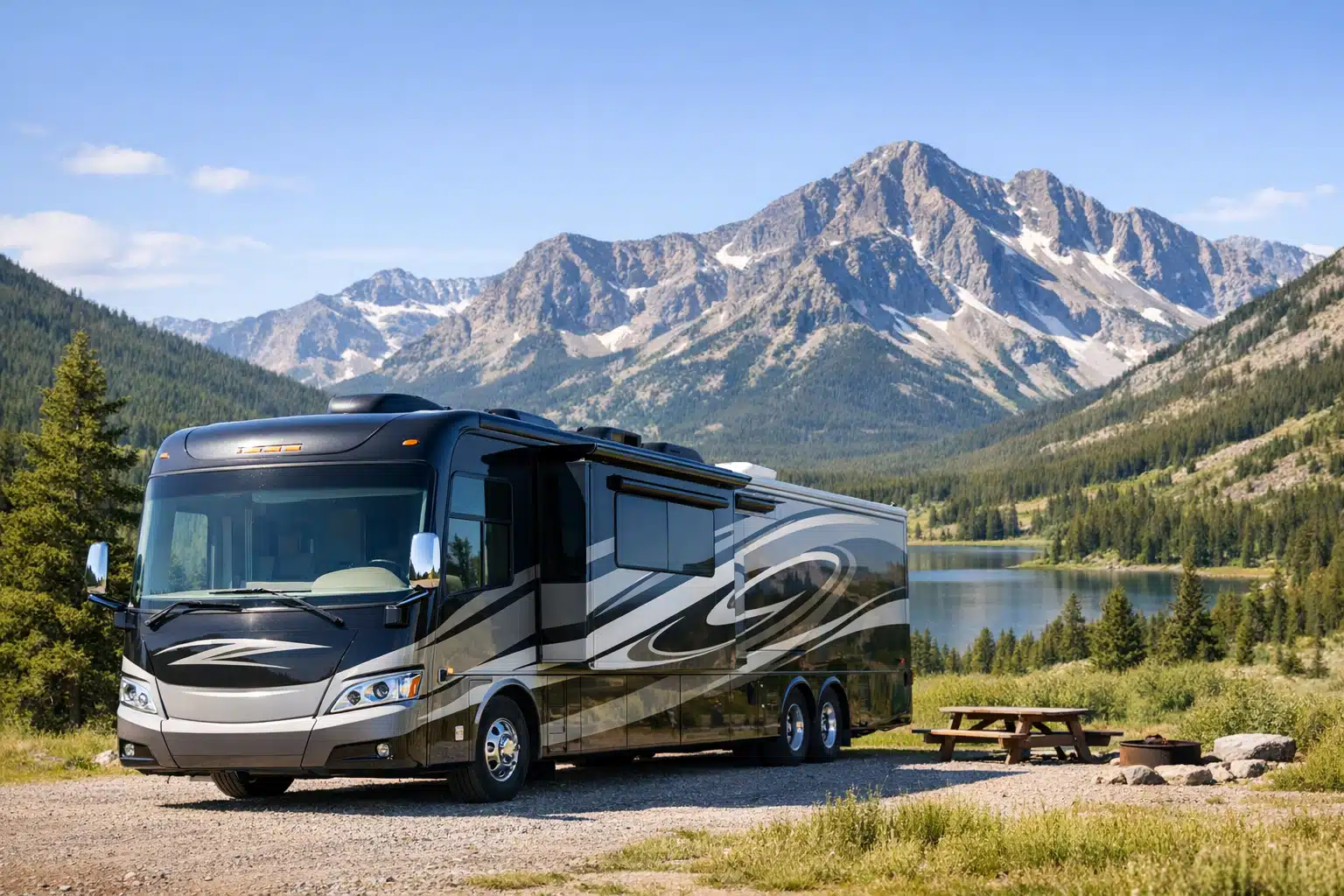
Montana LLC-registered RVs require specific insurance coverage that balances personal use protection with business entity liability considerations. This guide explains coverage types, limits, and policy features suited for LLC-owned recreational vehicles.
- Montana requires minimum liability of $25,000/$50,000 for bodily injury and $20,000 for property damage, but LLC-owned RVs should carry higher limits of at least $100,000/$300,000/$100,000 to protect business assets.
- Personal RV policies work when the vehicle is used only for recreation by LLC members, while commercial policies are needed if the RV generates rental income or serves business purposes.
- LLC registration typically increases RV insurance costs by 10-25% compared to personal ownership, but Montana's low population density helps keep rates below national averages.
RV insurance for a Montana LLC is specialized coverage designed for recreational vehicles registered under a Montana limited liability company. This type of policy balances personal use protection with business entity liability considerations, addressing the distinct requirements that come with LLC-registered RVs rather than standard recreational vehicle insurance policies.
Montana LLC-registered RVs face distinct insurance requirements that differ from standard recreational vehicle policies. RV insurance Montana LLC coverage must balance personal use protection with business entity liability considerations.
This guide breaks down the specific insurance types, coverage limits, and policy features that work best for LLC-owned recreational vehicles. You’ll learn how to match your coverage to Montana’s requirements while protecting your business assets.
Montana LLC Insurance Requirements for RVs
Montana requires minimum liability coverage of $25,000 per person and $50,000 per accident for bodily injury, plus $20,000 for property damage. However, LLC-owned RVs need higher limits to protect business assets from personal liability claims.
Most insurance experts recommend increasing liability limits to at least $100,000/$300,000/$100,000 when your RV is registered under an LLC. This higher coverage prevents personal assets from being targeted if accident damages exceed basic minimums.
Montana also requires uninsured motorist coverage equal to your liability limits unless you reject it in writing. This protection becomes more important for expensive RVs where repair costs can quickly exceed other drivers’ insurance limits.
Types of RV Insurance Coverage for LLC Vehicles
Liability Protection
Liability insurance covers damages you cause to other people or property while driving your LLC-registered RV. This includes both bodily injury and property damage claims from accidents where you’re at fault.
For LLC-owned vehicles, liability coverage creates a protective barrier between the business entity and potential claimants. Without adequate coverage, creditors might attempt to pierce the corporate veil and reach personal assets.
Comprehensive and Collision Coverage
Comprehensive coverage protects against non-collision damage like theft, vandalism, fire, or weather events. Collision coverage handles damage from accidents with other vehicles or objects.
LLC-owned RVs benefit from full replacement cost coverage rather than actual cash value policies. This ensures you can replace the vehicle without depleting business capital to cover depreciation gaps.
Specialized RV Endorsements
Standard auto policies miss important RV-specific risks. Choosing RV insurance for your Montana LLC should include these specialized coverances:
- Personal belongings coverage – Protects items stored inside the RV up to specified limits
- Attached accessories coverage – Covers awnings, satellite dishes, and permanently mounted equipment
- Emergency expenses – Pays for lodging and transportation if your RV becomes uninhabitable
- Vacation liability – Extends coverage when the RV is parked and used as temporary housing
Commercial vs Personal RV Insurance Policies
LLC-registered RVs create a gray area between personal and commercial insurance classifications. The intended use determines which policy type fits best.

Personal RV policies work for LLCs when the vehicle is used exclusively for personal recreation by LLC members. These policies cost less but include restrictions on business use and may not cover liability gaps inherent in business ownership.
Commercial policies become necessary when the RV generates income through rentals, business travel, or mobile office use. Commercial coverage costs 15-30% more but provides broader liability protection and business interruption benefits.
Rental Income Considerations
RVs generating rental income through platforms like Outdoorsy or RVshare require commercial coverage or specialized sharing economy endorsements. Personal policies exclude coverage during income-producing activities.
Some insurers offer hybrid policies that cover personal use under standard terms while adding commercial endorsements for rental periods. These policies cost more than personal coverage but less than full commercial policies.
Coverage Limits and Deductible Selection
Coverage limits should reflect both the RV’s value and your potential liability exposure. Class A motorhomes worth $200,000+ need different protection levels than $50,000 travel trailers.
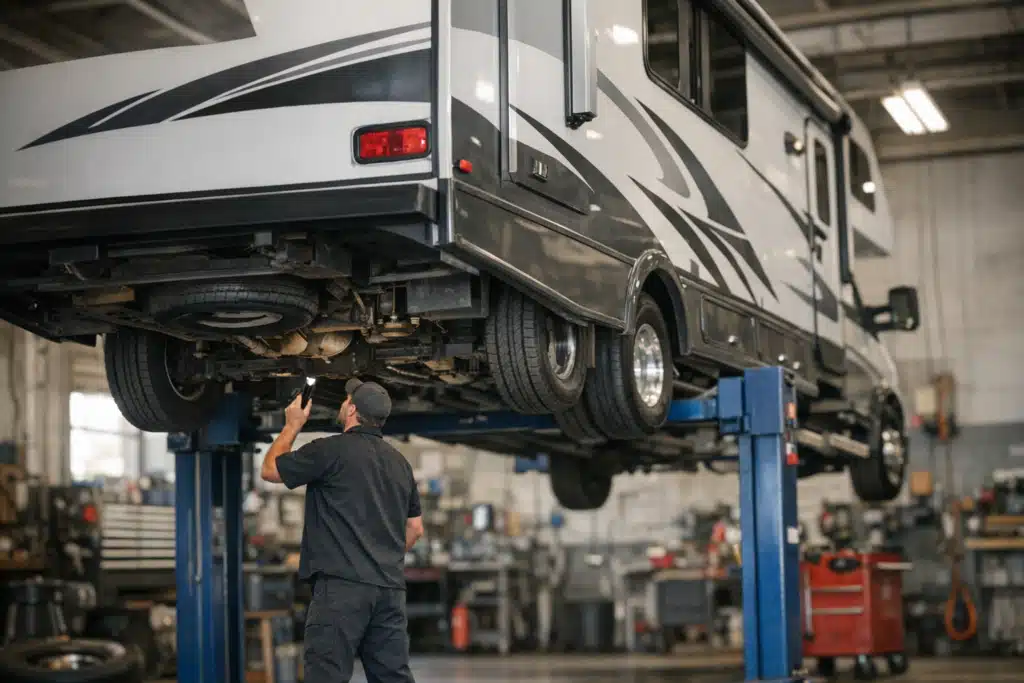
Liability limits of $250,000/$500,000/$100,000 provide better protection for higher-value RVs. Umbrella policies can extend coverage to $1 million or more for additional protection at relatively low cost.
Deductible Strategy
Higher deductibles reduce premium costs but increase out-of-pocket expenses during claims. Consider these deductible approaches:
- Comprehensive deductibles – Choose $500-$1,000 based on your emergency fund capacity
- Collision deductibles – Select $1,000-$2,500 to balance premium savings with manageable repair costs
- Glass coverage – Add zero-deductible glass coverage if your RV has expensive windshields or large windows

 Posted on Google
Insurance Carrier Selection for Montana LLC RVs
Not all insurance companies understand LLC vehicle registration or offer appropriate coverage for business-owned recreational vehicles. Specialized RV insurers often provide better coverage options and claims handling for LLC situations.
National General, Progressive, and Good Sam offer specific RV programs with LLC-friendly policies. These carriers understand the unique liability structure of LLC-owned vehicles and can structure coverage appropriately.
Regional carriers serving Montana may offer competitive rates but might not understand LLC insurance needs. Always verify that your carrier can properly insure business-owned recreational vehicles before purchasing coverage.
Policy Review Requirements
LLC insurance policies need annual reviews to ensure coverage keeps pace with changing vehicle values and liability exposures. RV values can fluctuate significantly based on market conditions and modifications.
Schedule reviews should address coverage limits, deductibles, and any new endorsements needed for changed usage patterns. Document any business use changes that might affect coverage requirements.
Common Insurance Mistakes with LLC-Registered RVs
The most frequent mistake involves purchasing personal RV insurance for an LLC-owned vehicle without disclosing the business ownership structure. This creates coverage gaps that can void policies during claims.
Another common error involves underinsuring valuable RVs with basic liability limits. LLC asset protection disappears when insurance coverage proves inadequate to handle large claims.
Some owners also fail to update their policies when switching between personal and business use of their RVs. Usage changes can trigger coverage exclusions if not properly documented with the insurance carrier.
Cost Factors for Montana LLC RV Insurance
LLC registration typically increases RV insurance costs by 10-25% compared to personal ownership. However, this additional cost buys significant liability protection for business and personal assets.
Insurance costs vary based on RV type, value, usage patterns, and chosen coverage limits. Class A motorhomes cost more to insure than travel trailers due to higher values and liability exposures.
Montana’s relatively low population density and favorable claim environment help keep RV insurance costs below national averages. This partially offsets the increased costs associated with LLC registration.
RV insurance Montana LLC selection requires balancing adequate protection with manageable costs while ensuring your coverage properly protects both business and personal interests. The right policy provides liability protection, comprehensive coverage, and specialized RV endorsements tailored to your specific usage needs.
TaxFree RV helps Montana LLC vehicle owners navigate insurance requirements and connect with carriers experienced in business-owned recreational vehicles. Contact us at 1‑888‑441‑5741 or sales@taxfreerv.com to discuss your LLC RV insurance needs.
Sources
- Montana Department of Justice – Motor Vehicle Division
- Insurance Information Institute – Recreational Vehicle Insurance
- NHTSA – RV Safety and Equipment Guidelines