
Preparing Your ATV for Spring Adventures
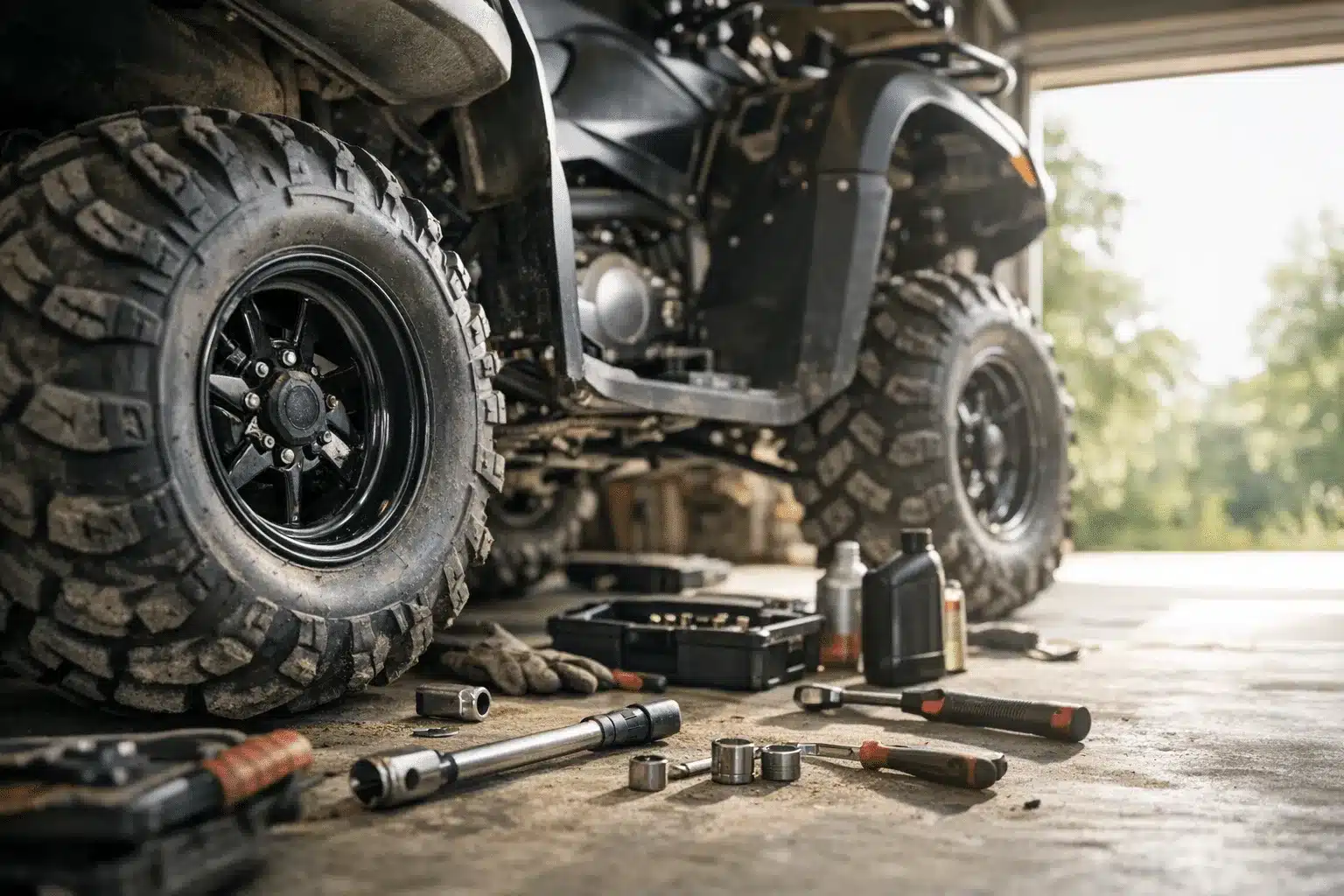
Preparing your ATV for spring is essential to avoid breakdowns and ensure a smooth ride. This guide provides a detailed checklist for inspecting and maintaining your ATV after winter storage.
- Start with a thorough visual inspection of key components for damage or wear. Check the frame, body panels, and all mounting hardware.
- Change engine oil and fluids to protect your engine and transmission from damage. Inspect battery health and clean terminals to prevent startup issues.
- Evaluate tire condition and pressure, and inspect the drive system and suspension components for safe operation before hitting the trails.
Preparing your ATV for spring adventures involves checking the battery, replacing stale fuel, and inspecting for corroded parts. This thorough preparation helps ensure your ATV is in optimal condition, preventing breakdowns and allowing for a smooth start to your riding season.
Winter storage takes a toll on your ATV, making thorough ATV spring preparation critical before hitting the trails. Dead batteries, stale fuel, and corroded parts can turn your first spring ride into a frustrating breakdown.
This guide walks you through each step to get your ATV running smoothly and safely for the adventure season ahead.
Essential Pre-Ride Safety Inspection
Start your spring preparation with a comprehensive visual inspection of your ATV’s key components. Look for signs of damage, wear, or corrosion that may have developed during storage.
Frame and Body Check
Examine the frame for cracks, especially around mounting points and welds. Check plastic body panels for cracks that could worsen with spring riding conditions.
Inspect all mounting hardware and fasteners for looseness or corrosion. Tighten any loose bolts to manufacturer specifications.
Brake System Evaluation
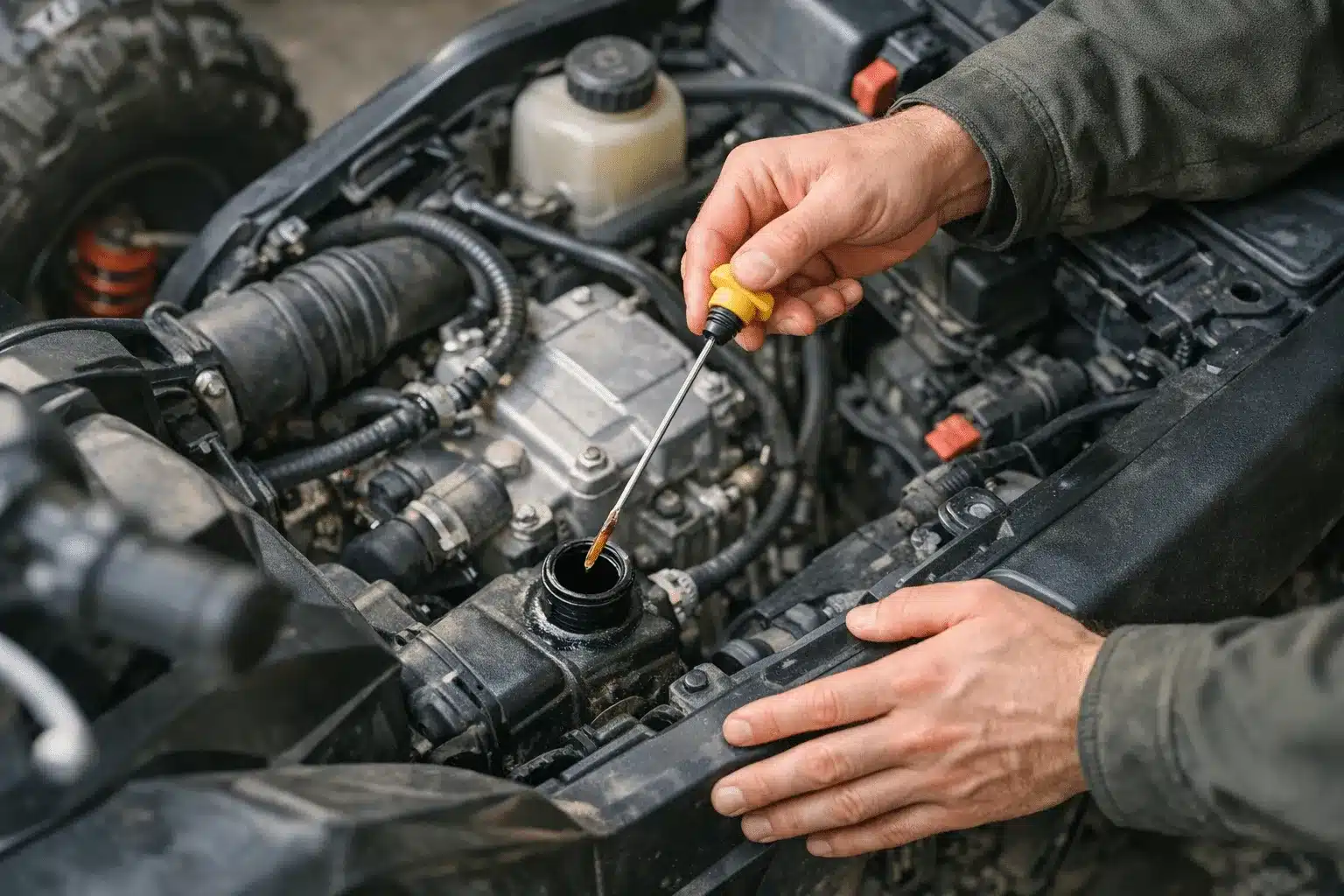
Test both front and rear brakes before your first ride. Squeeze brake levers and check for proper resistance and travel.
Inspect brake pads for thickness and scoring. Replace pads if they’re worn below minimum thickness or show uneven wear patterns.
Fluid Checks and Changes for Spring Preparation
Fluids deteriorate during storage and require attention as part of proper ATV spring preparation. Fresh fluids protect your engine and transmission from costly damage.
Engine Oil Service
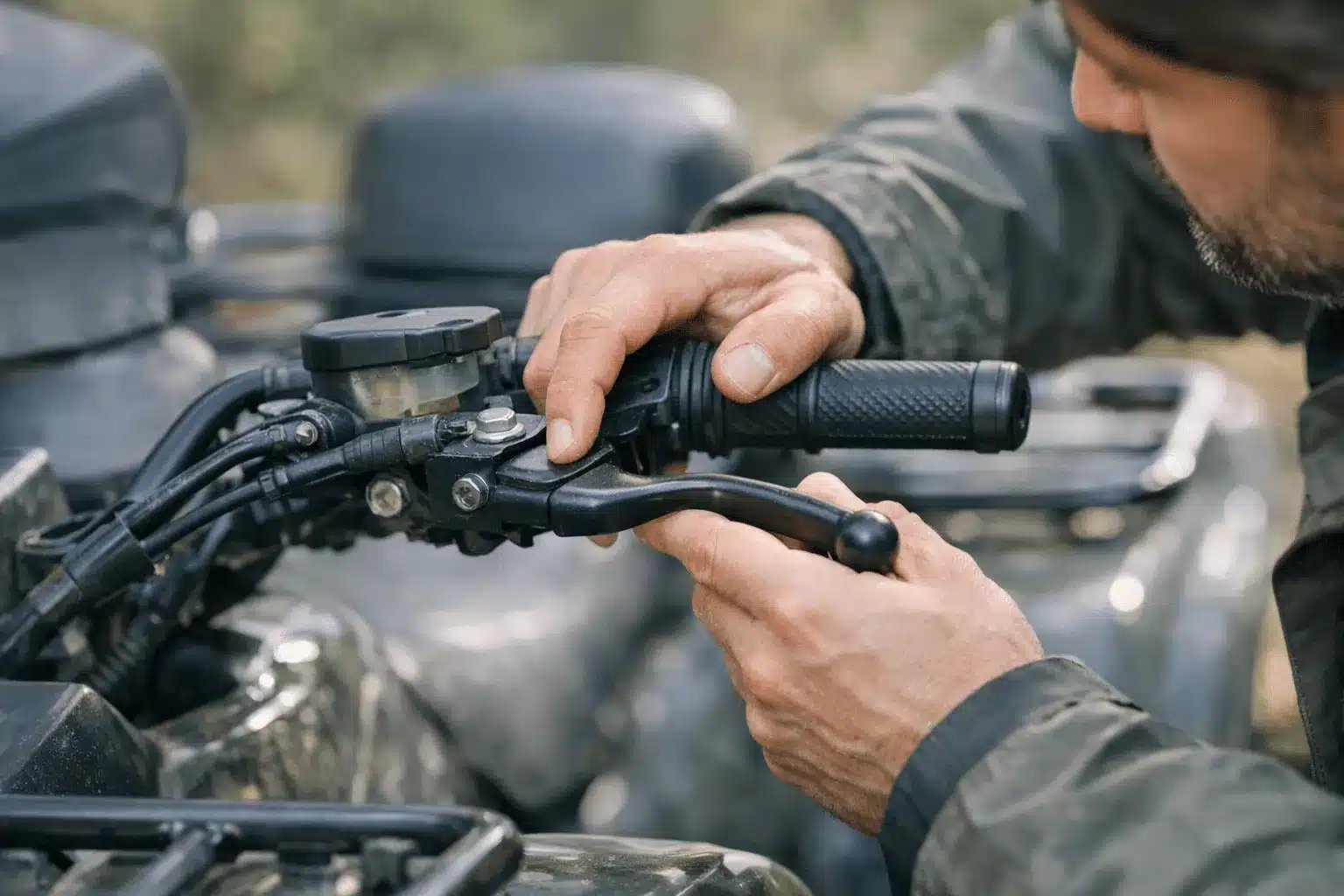
Change engine oil and filter even if the ATV wasn’t used much last season. Oil breaks down over time and loses its protective properties.
Check oil level with the dipstick on level ground. Add the manufacturer’s recommended oil type if levels are low.
Coolant System Maintenance
Inspect coolant level in the radiator and overflow tank. Top off with the correct coolant mixture if needed.
Check radiator fins for debris buildup that restricts airflow. Clean with compressed air or water spray from the back side.
Differential and Transmission Fluids
Check differential oil levels in both front and rear units. Change these fluids according to your maintenance schedule.
Inspect for leaks around seals and gaskets. Address any leaks before they cause expensive component damage.
Battery and Electrical System Revival
Battery issues top the list of spring startup problems for stored ATVs. Most battery failures stem from winter discharge and sulfation.
Battery Testing and Charging
Test battery voltage with a multimeter – a fully charged battery reads 12.6 volts or higher. Charge the battery if voltage drops below 12.4 volts.
Clean battery terminals with baking soda and water to remove corrosion. Apply terminal protector spray after cleaning.
Electrical Connection Inspection
Check all electrical connections for corrosion or damage. Pay special attention to ground connections and starter solenoid wiring.
Test lights, turn signals, and other electrical components. Replace burned-out bulbs before your first ride.
Air Filter and Intake System Cleaning
A clean air filter ensures proper engine performance and protects internal components from dirt ingestion. Spring preparation requires thorough air intake system attention.
Air Filter Maintenance Steps
Remove the air filter and inspect for damage or excessive dirt buildup. Replace paper filters or clean and re-oil foam filters.
For foam filters, wash in warm soapy water, rinse thoroughly, and apply fresh filter oil. Squeeze out excess oil before installation.
Airbox Inspection
Clean the airbox interior of any debris or moisture that accumulated during storage. Check for cracks or loose connections in intake ducting.
Ensure the airbox cover seals properly to prevent unfiltered air from entering the engine.
Fuel System Preparation and Testing
Stale fuel causes more spring startup problems than any other single issue. Modern ethanol fuels deteriorate quickly and form deposits that clog fuel systems.
Fuel Quality Assessment
Drain old fuel if it’s been sitting more than three months. Fresh fuel ensures reliable starting and prevents carburetor problems.
Add fuel stabilizer to fresh fuel to prevent future degradation. Run the engine for several minutes to circulate treated fuel through the system.
Carburetor and Fuel Injection Cleaning
Clean carburetor jets and passages if the ATV runs poorly or won’t start. Use carburetor cleaner and compressed air to clear blockages.
For fuel-injected models, check fuel pump pressure and clean injectors if necessary. Replace fuel filters according to maintenance intervals.
Tire and Wheel Inspection
Proper tire condition directly affects safety and handling on spring trails. Storage can cause flat spots and pressure loss that require attention.
Tire Pressure and Condition Check
Check tire pressure when tires are cold using an accurate gauge. Inflate to manufacturer’s recommended pressures found in the owner’s manual.
Inspect tread depth and look for cracks, cuts, or unusual wear patterns. Replace tires showing cord or with less than adequate tread depth.
Wheel and Bearing Inspection
Spin each wheel and listen for grinding or rough bearing sounds. Check for excessive play by grabbing the tire and trying to rock it.
Inspect wheel rims for cracks or dents that could cause tire bead leaks. Address any wheel damage before riding.

Of course it also saved us sales tax and made purchasing a vehicle very easy.
I recommend them for non US residents and I believe residents can also use them to save tax
 Posted on Google
Drive System and Suspension Check
Your ATV’s drive system and suspension components need inspection after winter storage to ensure safe spring operation.
Belt and Chain Inspection
Check drive belt condition on CVT-equipped ATVs. Look for cracking, fraying, or excessive wear on belt sides.
Inspect chain tension and lubrication on chain-driven models. Adjust tension according to specifications and apply fresh chain lubricant.
Suspension Component Check
Test shock absorber operation by compressing the suspension at each wheel. Shocks should extend smoothly without binding.
Check suspension mounting bolts for tightness. Inspect rubber bushings and ball joints for cracking or excessive wear.
Final System Testing and Break-in
Complete your spring preparation by testing all systems during a controlled break-in period. This approach identifies problems before you’re miles from home.
Initial Start-up Procedure
Start the engine and let it warm up completely. Check for unusual noises, leaks, or warning lights during warm-up.
Test all controls including throttle response, brake operation, and shifting. Address any issues before your first trail ride.
Short Test Ride Protocol
Take a brief test ride in a safe area to verify all systems work properly. Start with low speeds and gradually increase as confidence builds.
Monitor engine temperature and listen for unusual sounds. Stop immediately if any problems develop.
Creating Your Spring Maintenance Schedule
Establish a regular maintenance routine to keep your ATV ready for spontaneous adventures throughout the season.
Track maintenance intervals and keep records of service performed. This documentation helps identify patterns and prevents unexpected failures.
Monthly Maintenance Tasks
- Check tire pressure and condition
- Inspect air filter and clean if needed
- Test battery voltage and charging system
- Lubricate grease fittings and pivot points
- Check fluid levels and top off as needed
When to Seek Professional Help
Some spring preparation tasks require professional expertise or specialized tools. Don’t hesitate to consult qualified technicians for complex issues.
Electrical problems, engine internal issues, and suspension repairs often need professional diagnosis. Attempting these repairs without proper knowledge can cause expensive damage.
Following this comprehensive spring preparation checklist ensures your ATV delivers reliable performance when adventure calls. Regular maintenance prevents costly breakdowns and extends your machine’s service life.
Ready to get your recreational vehicles properly registered for your upcoming adventures? Contact TaxFree RV at 1‑888‑441‑5741 or visit https://taxfreerv.com to learn about Montana LLC vehicle registration services.
Sources
- Consumer Product Safety Commission – ATV Safety Tips
- ATV Safety Institute – Riding Guide
- National Highway Traffic Safety Administration – ATV Safety