
Kit Cars & Rebuilds: How Montana Handles Assembled Vehicles
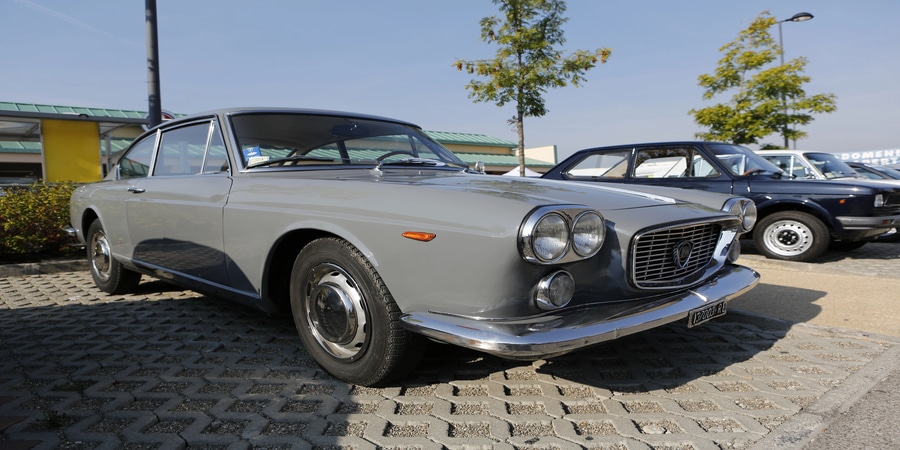
Montana permits the registration of kit cars, assembled vehicles, and rebuilt vehicles, provided they meet specific inspection and documentation standards. Owners must secure a Vehicle Identification Number (VIN) and ensure their vehicles comply with safety regulations to operate legally on public roads.
- Owners must provide proof of parts ownership and complete safety inspections before registration. Documentation includes purchase receipts, bills of sale, and construction photographs.
- Assembled vehicles are built from multiple components, while rebuilt vehicles are restored from heavily damaged cars. Both categories require inspections for safety compliance.
- After passing inspection, a VIN is assigned, and owners must apply for a title that reflects the vehicle's completion year, not the model year.
In Montana, to register kit cars, assembled vehicles, and rebuilt vehicles, owners must comply with strict inspection and documentation requirements. This ensures that these custom automobiles meet safety and regulatory standards before they can be legally driven on public roads.
Montana allows drivers to register kit cars, assembled vehicles, and rebuilt vehicles, but these custom automobiles must meet strict inspection and documentation requirements before they can legally operate on public roads.
Owners must provide proof of parts ownership, complete safety inspections, and obtain a state-issued Vehicle Identification Number (VIN). The Montana Motor Vehicle Division oversees the process under the authority of the Montana Department of Justice.
Understanding Montana kit car registration rules, inspection requirements, and titling procedures helps builders avoid delays and ensures their custom vehicles comply with state law.
What Montana Considers an Assembled or Rebuilt Vehicle
Montana separates custom vehicles into two main categories: assembled vehicles and rebuilt vehicles. The classification depends on how the vehicle was constructed and where the components came from.
Assembled Vehicles
An assembled vehicle in Montana is a car built from multiple components rather than manufactured as a single factory vehicle.
Examples include:
- Kit cars assembled from manufacturer-supplied parts
- Custom-built vehicles constructed from aftermarket components
- Cars built using frames and mechanical systems from multiple sources
- Replica vehicles modeled after classic cars
Because these vehicles do not originate from a single manufacturer, Montana must inspect them and assign a VIN before registration.
Rebuilt Vehicles
A rebuilt vehicle begins as a standard automobile that has been heavily damaged and later restored.
Common situations include:
- Vehicles previously issued a salvage title
- Cars repaired after severe collisions
- Flood-damaged vehicles restored for road use
- Automobiles rebuilt after fire damage
These vehicles must pass inspections to confirm that the repairs meet safety standards.
Documentation Required for Assembled Vehicle Registration
Before registering a kit car or assembled vehicle in Montana, owners must gather a complete set of documentation verifying the origin of every major component.
Required paperwork typically includes:
- Purchase receipts for major parts such as the frame, engine, and transmission
- Bills of sale showing legal transfer of ownership
- Manufacturer’s certificates of origin for new components
- Titles from donor vehicles when used parts are installed
- Construction photographs documenting the build process
- A signed affidavit confirming ownership and accuracy of information
These documents allow the Montana Motor Vehicle Division to verify that all parts were legally obtained.
Incomplete documentation is one of the most common reasons kit car registrations are delayed.
Vehicle Inspection and VIN Assignment
All assembled vehicles must undergo a physical safety inspection before Montana will issue a VIN or registration.
These inspections are typically performed by certified inspectors or officers from the Montana Highway Patrol.
Inspectors review critical safety systems to ensure the vehicle is safe for public roadways.
Key inspection checks include:
Brake systems
- Proper braking force on all wheels
- Balanced stopping performance
- Secure brake lines and hydraulic components
Lighting systems
- Functional headlights and taillights
- Operational turn signals and brake lights
- Compliance with federal illumination standards
Steering and suspension
- Proper steering alignment
- No excessive steering play
- Secure suspension mounting points
Additional safety items
- Tire condition and load ratings
- Windshield integrity and visibility
- Proper exhaust routing
Many inspection standards are influenced by safety guidelines from the National Highway Traffic Safety Administration.
Vehicles that fail inspection must be repaired and inspected again before proceeding with registration.
VIN Assignment for Custom and Assembled Vehicles
After a vehicle passes inspection, the state assigns a Vehicle Identification Number (VIN).
This VIN becomes the permanent identification code for the vehicle.
Key VIN facts:
- VINs contain 17 characters following federal formatting standards
- The number is recorded in Montana motor vehicle databases
- The VIN links the vehicle to its owner and history
- Law enforcement uses the VIN to track registration status
The VIN must appear on the vehicle before a title can be issued.
Titling and Registration for Montana Assembled Vehicles
Once the inspection and VIN assignment are complete, the owner must apply for a Montana vehicle title.
Montana titles assembled vehicles differently from factory-built automobiles.
Important titling rules
- The year listed on the title is the year the vehicle was completed, not the model year it resembles
- Replica cars are titled based on their build date
- Titles may include branding such as “assembled” or “reconstructed.”
Example:
A replica built in 2024 that resembles a 1965 sports car will receive a 2024 title designation.
Montana Registration Fees for Kit Cars and Custom Vehicles
Registration fees for assembled vehicles depend on several factors determined by Montana law.
Key fee factors include:
- Vehicle age based on build completion date
- Gross vehicle weight
- Vehicle classification (car, truck, motorcycle, specialty vehicle)
Local county treasurer offices collect registration fees and issue license plates after the title is approved.
Insurance Requirements for Montana Kit Cars
Before operating a custom vehicle on public roads, Montana drivers must carry minimum liability insurance coverage.
State law requires coverage of at least:
- $25,000 for bodily injury per person
- $50,000 per accident for total bodily injury
- $20,000 for property damage
Insurance companies often evaluate kit cars and assembled vehicles individually because these vehicles do not have standard factory valuations.
Some insurers may request:
- Build documentation
- Component value estimates
- Professional vehicle appraisals
Legal Operation of Assembled Vehicles in Montana
Once an assembled vehicle has:
- Passed inspection
- Received a VIN
- Been titled
- Been registered
- Obtained insurance coverage
It can legally operate on Montana public roads.
Vehicle registration information is stored in statewide databases maintained by the Montana Department of Justice, allowing law enforcement to verify registration during traffic stops.
Maintaining valid registration plates and insurance coverage is required for continued legal operation.