Tips for Buying a Used RV This Spring
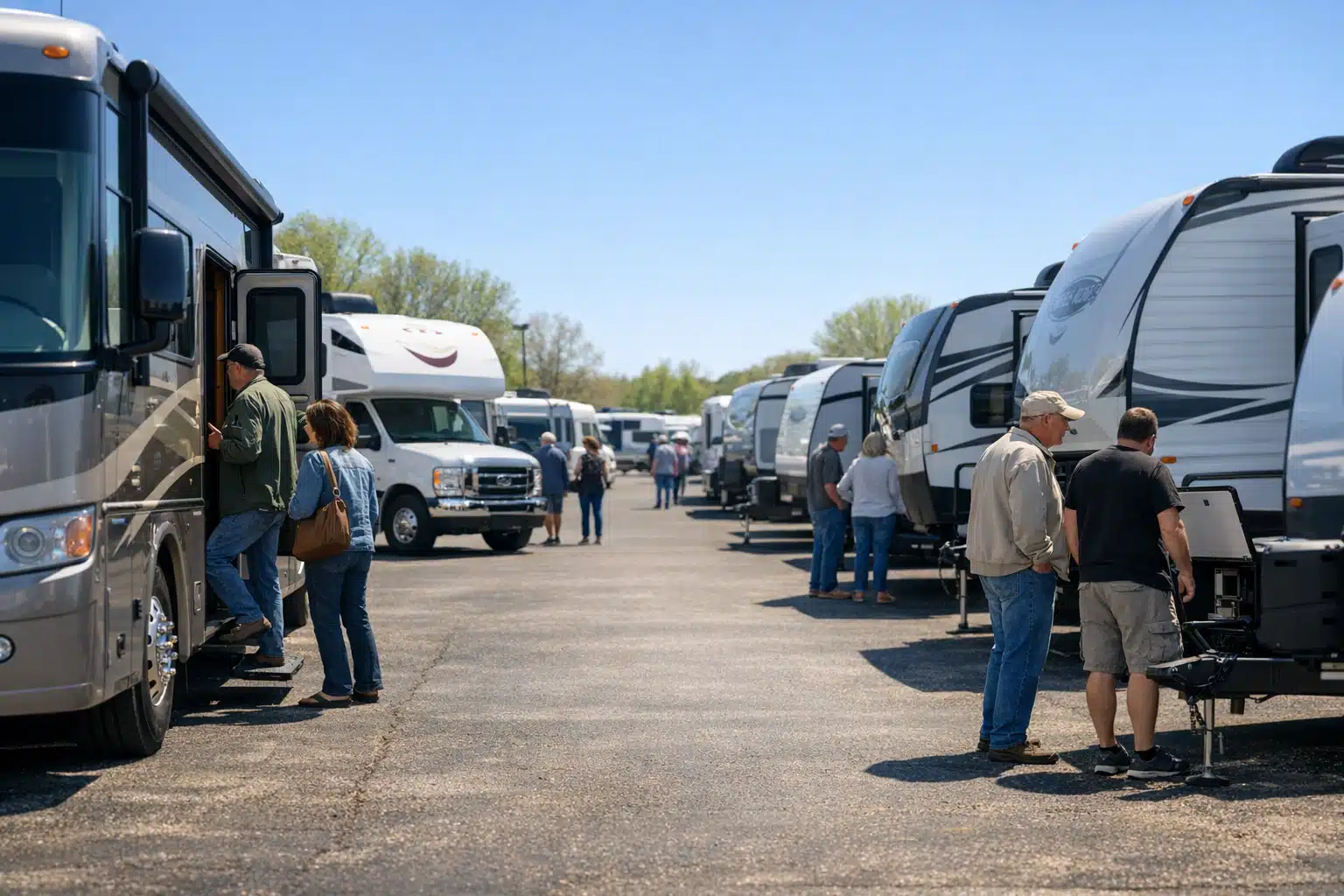
Spring is the best time to buy a used RV because inventory peaks, sellers are motivated after winter storage, and buyers have time to address issues before camping season. Strategic timing and thorough inspections can save thousands of dollars.
- Research market values using NADA Guides and RV Trader before shopping. Private sellers may price 15-20% below dealer lots, while dealers offer financing incentives.
- Spring inspections reveal winter water damage that summer heat might hide. Check for soft spots in floors and walls, test all plumbing systems, and examine roof seals after freeze-thaw cycles.
- Leverage seller motivation from storage costs and registration renewals during negotiations. Document needed repairs with cost estimates to justify price reductions.
Spring is the ideal time to buy a used RV. Sellers come out of winter storage ready to upgrade their vehicles, which means dealership inventory reaches its highest levels. This timing also gives buyers several months to handle any repairs or maintenance issues before the busy summer camping season begins.
Spring marks the perfect storm for used RV purchases. Sellers emerge from winter storage eager to upgrade, inventory peaks at dealerships, and you have months to address any issues before peak camping season.
Smart buyers know that timing their purchase strategically can save thousands and avoid common pitfalls. This seasonal window offers unique advantages that savvy RV shoppers leverage every year.
Why Spring Creates the Best Buying Used RV Tips Environment
Spring inventory reaches its annual peak as dealers prepare for summer sales season. Private sellers who stored their rigs all winter suddenly flood the market, creating a buyer’s advantage through increased competition.
Weather conditions allow thorough inspections that winter buying makes nearly impossible. You can test air conditioning systems, check for roof leaks during spring rains, and spot winter damage that fresh snow might hide.
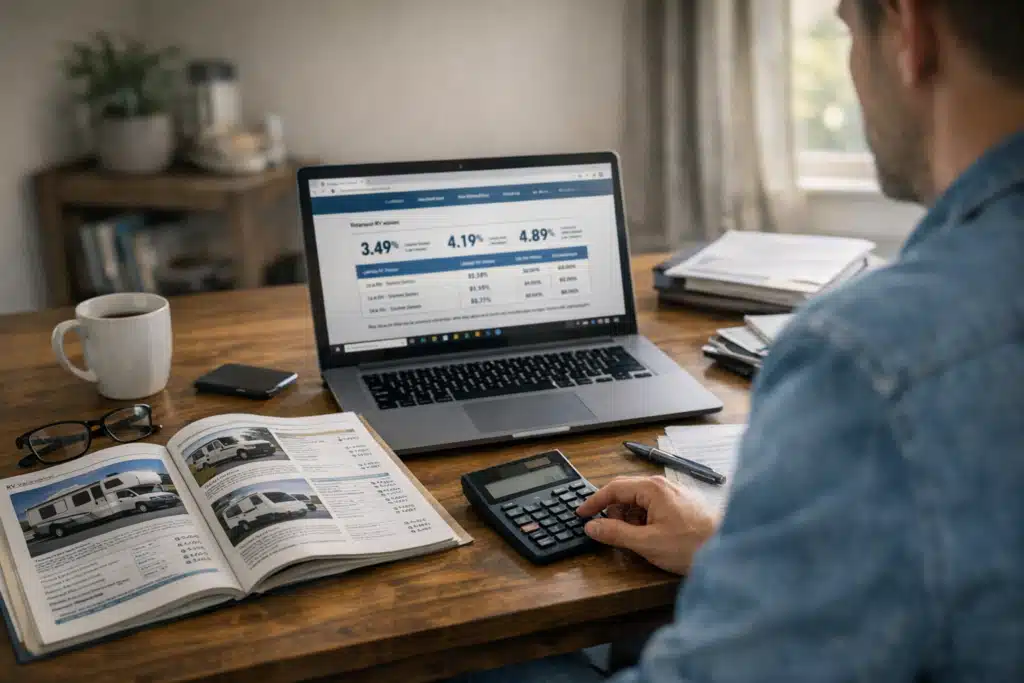
Financing rates historically hit seasonal lows during spring months as lenders compete for loan volume before summer peaks. This timing can reduce your total borrowing costs by hundreds or thousands of dollars.
Pre-Purchase Research That Saves Money
Market Value Assessment
Research comparable units using NADA Guides, RV Trader, and recent sales data before viewing any RV. Document asking prices for similar year, make, model, and mileage combinations in your region.
Spring markets show wider price variations than summer peaks. Private sellers may price 15-20% below dealer lots, while dealers offer financing incentives that offset higher sticker prices.
Model-Specific Problem Research
Every RV model has known issues that forums and owner groups discuss extensively. Spend time on RV-specific Facebook groups and forums like IRV2 to identify common problems for your target models.
Document recall information through the National Highway Traffic Safety Administration database. Many RVs have outstanding recalls that current owners never addressed, creating negotiation leverage for informed buyers.
Spring-Specific Inspection Priorities
Water Damage Detection
Spring inspections reveal winter water damage that summer heat might mask through evaporation. Check for soft spots in floors, walls, and around windows using firm pressure with your palm.
Examine caulking around all exterior penetrations including vents, windows, and slide-out seals. Winter freeze-thaw cycles crack caulking that appears solid during summer inspections.
Test all plumbing systems thoroughly since freeze damage may not surface until spring thaw. Run water through every faucet, flush toilets multiple times, and check for leaks under sinks and around the water heater.
Roof and Seal Inspection
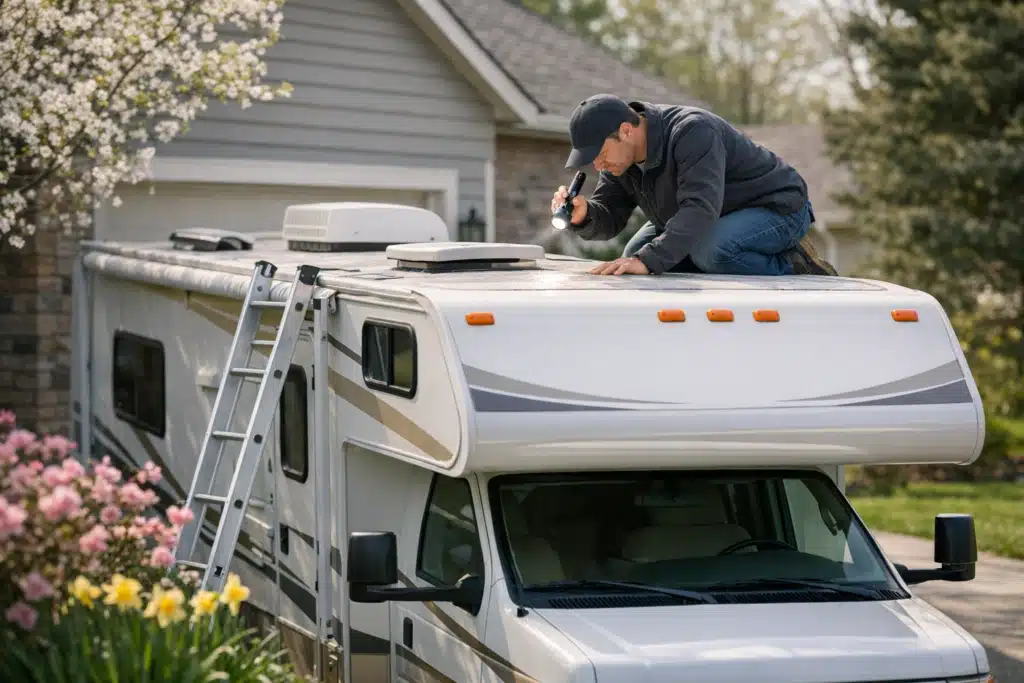
Climb onto the roof during spring inspections when cool temperatures make rubber roofing less fragile. Look for punctures, tears, or separation around vents and air conditioning units.
Spring rains help identify active leaks that summer inspections miss. Schedule inspections during or immediately after rain events when possible leak sources become obvious.
Mechanical System Testing
Test heating systems that sellers used heavily during winter months. Furnaces show wear patterns and potential carbon monoxide issues that summer-only testing cannot reveal.
Check battery condition after winter storage periods. Many RV batteries fail during winter storage, and sellers may not discover dead batteries until spring camping attempts.
Run generators under load for extended periods. Winter storage causes fuel system problems and mechanical issues that brief startup tests cannot detect.
Negotiation Strategies for Spring RV Purchase
Leverage Seasonal Motivation
Private sellers face storage costs, insurance payments, and registration renewals that create urgency during spring months. Many sellers prefer quick sales over holding units through another summer season.
Dealers need lot space for new inventory arriving throughout spring. Older trade-ins and units sitting through winter become negotiation targets for buyers willing to move quickly.
Document Required Repairs
Create detailed lists of needed repairs with estimated costs during inspections. Spring inspections reveal more problems than summer reviews, giving buyers substantial negotiation ammunition.
Obtain repair estimates from RV service centers for major issues like roof work, slide-out problems, or appliance replacements. Documented repair costs justify significant price reductions.
Cash vs. Financing Considerations
Cash offers carry more weight during spring when sellers want quick transactions. Private sellers especially favor cash deals that avoid financing delays and potential buyer qualification issues.
However, spring financing incentives from dealers might offset cash discounts from private parties. Calculate total costs including interest, warranties, and dealer services before choosing payment methods.
Paperwork and Legal Considerations
Title and Registration Issues
Verify clean titles before finalizing purchases, especially with private sellers who may have liens or registration problems from winter storage periods. Some owners discover expired registrations or insurance lapses during spring preparation.
Out-of-state purchases require careful attention to registration requirements in your home state. Montana LLC registration through services like TaxFree RV can provide tax advantages and simplified registration for qualified buyers.
Warranty and Service Records
Request maintenance records and warranty documentation during negotiations. Spring buyers have time to transfer warranties and schedule needed service before peak camping season begins.
Extended warranty purchases make more sense during spring when you have months to evaluate coverage options. Summer buyers face pressure to decide quickly before camping trips begin.

 Posted on Google
Post-Purchase Spring Preparation
Service and Maintenance Scheduling
Schedule necessary repairs immediately after purchase while RV service centers have spring availability. Summer booking delays can stretch repair waits into peak camping season.
Spring maintenance allows thorough system checks and improvements before heavy use periods. Address any inspection concerns and perform recommended maintenance during this preparation window.
Storage and Setup Planning
Arrange storage solutions before summer rates increase at RV parks and storage facilities. Spring contracts often include better rates and longer-term availability than summer arrangements.
Plan maiden voyages for late spring or early summer when weather conditions are favorable but camping crowds remain manageable. This timing allows system testing without peak season pressures.
Financial Considerations for Spring Buyers
Budget Planning
Spring purchases require budgeting for immediate setup costs including insurance, registration, and needed repairs discovered during inspection. Plan for 10-15% above purchase price for immediate expenses.
Factor in storage costs from purchase date through your first planned trips. Many buyers overlook several months of storage fees when calculating total acquisition costs.
Insurance Shopping
Spring insurance shopping yields better rates as companies compete for new policies before summer season begins. Obtain quotes from multiple carriers before finalizing purchases.
Full-timer insurance differs significantly from recreational use policies. Determine your usage patterns before shopping to avoid coverage gaps or overpaying for unnecessary protection.
Red Flags That Signal Problem Purchases
Sellers who pressure quick decisions without allowing thorough inspections often hide significant problems. Spring buyers have time advantages that eliminate needs for rushed decisions.
RVs with extensive modifications or unusual wear patterns may indicate rental use or inadequate maintenance. Question sellers about usage history and maintenance practices.
Units priced significantly below market value during spring demand periods often have hidden damage or legal issues. Investigate below-market pricing thoroughly before committing.
Spring offers ideal conditions for used RV purchases with expanded inventory, motivated sellers, and time for thorough inspections. Smart buyers leverage seasonal advantages through careful research, detailed inspections, and strategic negotiations.
Ready to register your new RV purchase through a Montana LLC for potential tax savings? Contact TaxFree RV at sales@taxfreerv.com or call 1-888-441-5741 to explore registration strategies that maximize your investment.
Sources
- National Highway Traffic Safety Administration – Vehicle Recalls Database
- NADA Guides – RV Values and Pricing
- Recreation Vehicle Industry Association – Market Data and Statistics