
Registering Classic Cars with a Montana LLC
Collectors of vintage and exotic cars often use Montana plates to simplify registration and reduce costs. By forming a Montana Limited Liability Company (LLC), they can register vehicles under the company’s name instead of their own, avoiding sales tax and yearly personal property taxes that other states typically require. This process begins by setting up an LLC through the Montana Secretary of State, securing an Employer Identification Number (EIN) from the IRS, and appointing a registered agent with a physical address in Montana. Once approved, the vehicle registration and title are issued to the LLC, allowing owners to legally operate under Montana plates.
Montana’s vehicle registration system is particularly attractive for collectors because the state does not mandate regular emissions testing, making it easier to manage cars that might not meet stricter environmental standards elsewhere. This exemption appeals to enthusiasts who own vintage models or high-performance exotic cars that often fail to pass inspection in their home states. However, the setup must be carefully managed to comply with all legal requirements. If the vehicle is stored or primarily used outside Montana, tax agencies in other states may challenge the legitimacy of the LLC and claim unpaid taxes or penalties.
Proper documentation is essential. Every transfer, insurance policy, and maintenance record should clearly show that the Montana LLC—not the individual owner—holds legal title to the vehicle. Insurance providers may need to adjust coverage terms since the car belongs to a business entity. When handled correctly, using Montana plates through an LLC structure allows car enthusiasts to preserve the authenticity of their vehicles, simplify ownership logistics, and maintain compliance while protecting their prized assets from unnecessary tax burdens.
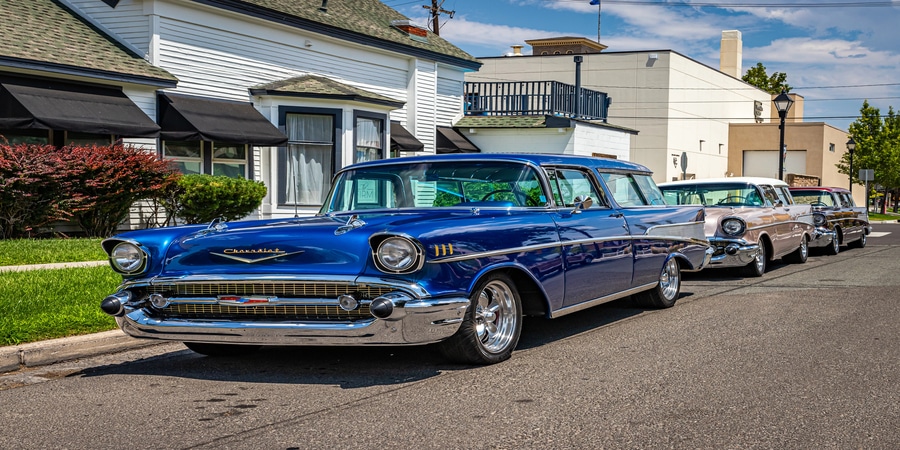
Why Collectors Use a Montana LLC for Classic Car Registration
Many vehicle owners choose to register their cars through a Montana Limited Liability Company because Montana does not charge state sales tax or yearly personal property tax on vehicles. This structure offers a way to reduce costs on high-value automobiles, especially collector models that can trigger tens of thousands of dollars in taxes elsewhere. To set up this type of ownership, collectors create a Montana LLC, file the required Articles of Organization, and prepare an operating agreement that outlines how the company manages its assets. Once formed, the LLC can purchase and register the vehicle in Montana, allowing owners to avoid heavy sales tax bills in their home states.
However, using this strategy comes with increasing scrutiny. State tax authorities across the country monitor Montana LLC registrations to determine whether vehicles are truly based in Montana or simply using the arrangement to sidestep taxes. They often check where the car is stored, driven, and insured. If the car remains in another state, enforcement agencies may demand use tax payments and impose penalties. Some states have even expanded vehicle inspections and emissions tests to catch residents driving Montana-registered cars locally.
Compliance extends beyond tax issues. LLCs in Montana must maintain a valid business account with the Secretary of State and file an annual report to keep their registration active. Failure to do so can result in administrative dissolution, which voids the company’s legal standing and its ability to hold title to vehicles. While the absence of Montana smog regulations and sales tax makes the state appealing for car collectors, owners must understand that legal compliance and proper documentation matter more than temporary savings. A well-drafted operating agreement, accurate filings, and transparent ownership records help protect collectors from costly disputes and audits later on.
Step-by-Step: Forming the LLC, Titling & Mail-Forwarding Options
Some collectors pursue Montana LLC registration to capture potential tax savings, but the process must be handled carefully to stay within legal boundaries. Setting up a compliant structure requires multiple steps, verified documentation, and attention to detail to avoid penalties or accusations of tax evasion. The entire title transfer and registration sequence involves several coordinated actions that define whether the setup remains legitimate or raises red flags during audits.
The Montana LLC registration and vehicle titling process includes:
- Entity formation: File Articles of Organization with the Montana Secretary of State and appoint a registered agent with a physical Montana address.
- Obtain EIN: Secure a federal Employer Identification Number (EIN) from the IRS so the LLC can legally own assets and report taxes.
- Transfer ownership: Draft and sign a bill of sale that completes the title transfer from the individual owner to the LLC, establishing the business as the vehicle’s legal owner.
- Apply for Montana title: Submit the application form, proof of ownership, and fees to the Montana Motor Vehicle Division to receive official documentation.
- Select appropriate plates: Some collectors apply for vintage plates if the vehicle qualifies as a classic or antique model under state guidelines.
- Verify insurance coverage: Update the auto policy so it reflects the LLC as the official vehicle owner, ensuring proper liability and coverage terms.
- Check emission standards: While Montana does not require a smog or emissions inspection for most vehicles, collectors should confirm that their cars meet the emission standards of any state where the vehicle will actually operate.
Mail-forwarding services often help owners receive registration documents through their Montana agent, but using them solely to avoid paying vehicle sales tax in another state can trigger audits. If tax agencies find that the car operates mainly outside Montana, they may impose back taxes and fines. To remain compliant, the LLC must maintain legitimate business activity within the state and keep clear records supporting ownership and purpose. Proper documentation, combined with transparent operations, reduces the risk of penalties while preserving the potential financial benefits of a Montana registration strategy.
Insurance, Storage, and Legal Compliance for Out-of-State Owners
The vehicle’s physical location determines insurance requirements and legal duties, making accurate information essential for compliance. Out-of-state owners must secure insurance policies that recognize the Montana LLC ownership structure while providing full protection in the state where they actually reside. Insurance carriers often require disclosure of where the vehicle is garaged most of the time, which frequently differs from the Montana registration address listed on the title and paperwork.
Different states enforce their own vehicle rules, and location strongly influences those regulations. State governments impose specific permit requirements based on how and where a vehicle operates. For example, California law requires an out-of-state OHV permit for off-highway vehicles such as ATVs, dirt bikes, and other recreational machines driven on public lands within the state. These permits apply regardless of registration location, meaning Montana registration does not exempt owners from compliance with local laws.
Storage facilities holding Montana-registered vehicles also play a role in maintaining legal records. Written documentation must show that the LLC retains custody and ownership while the vehicle remains at the facility. These records protect the LLC’s claim of legitimate business control and help establish a clear relationship between the Montana entity and the storage site.
However, legal risks increase when state tax authorities examine whether the Montana registration structure is being used improperly. Many states classify such arrangements as tax evasion or registration fraud if the vehicle remains permanently in another state without a real business purpose. Investigators review storage patterns, insurance addresses, and use frequency to determine where the car truly resides. Courts also consider whether the Montana LLC conducts any legitimate operations or exists solely to bypass registration fees and vehicle sales tax obligations.
Vehicle owners must clearly distinguish between temporary travel and permanent residence. A Montana-registered car simply passing through another state faces different legal expectations than one stored year-round at a home address outside Montana. The duration of stay, operating patterns, and supporting business documentation all influence compliance outcomes. Maintaining transparent records and proper insurance coverage ensures the registration remains defensible and avoids penalties during state audits or legal reviews.
Preserving & Restoring Textured Paint, Vinyl, and Trim on Classic Cars
Classic cars owned through Montana LLCs require consistent upkeep to preserve both their condition and value. Regular maintenance ensures the vehicle remains eligible for registration and accurately reflects its worth on insurance and title documents. Owners should inspect every surface carefully, paying close attention to damaged textured paint, worn vinyl, and aging trim parts. These details directly influence the car’s appraised value and determine what supporting paperwork is necessary during registration updates.
Proper care involves more than cleaning or routine checks. Each material needs specialized treatment to prevent long-term damage. Applying UV protection to vinyl parts helps stop fading and cracking under sunlight, while using professional-grade sealers on textured paint maintains the car’s finish and prevents oxidation. Environmental control also matters—classic cars should be stored in conditions between 65 and 75 degrees Fahrenheit with humidity levels kept at 40 to 50 percent. These temperature and moisture settings prevent warping, corrosion, and breakdown of interior and exterior materials.
Professional restoration work from certified repair shops provides additional protection for the vehicle’s market value. These specialists use approved materials, document each service, and issue detailed invoices that verify how the work improved the car’s condition and overall worth. Keeping these records is essential when renewing Montana registration or updating insurance coverage, as authorities or insurers may request proof of the vehicle’s current appraised value.
Thorough documentation and high-quality maintenance ensure that a classic car remains not only a valuable collectible but also a compliant asset within the Montana LLC structure. Each repair, inspection, and environmental control step contributes to the vehicle’s long-term preservation, helping owners safeguard their investment for future resale, display, or continued enjoyment.