
Can You Use a Montana LLC for Commercial Use Vehicles (Non-Trucking)?
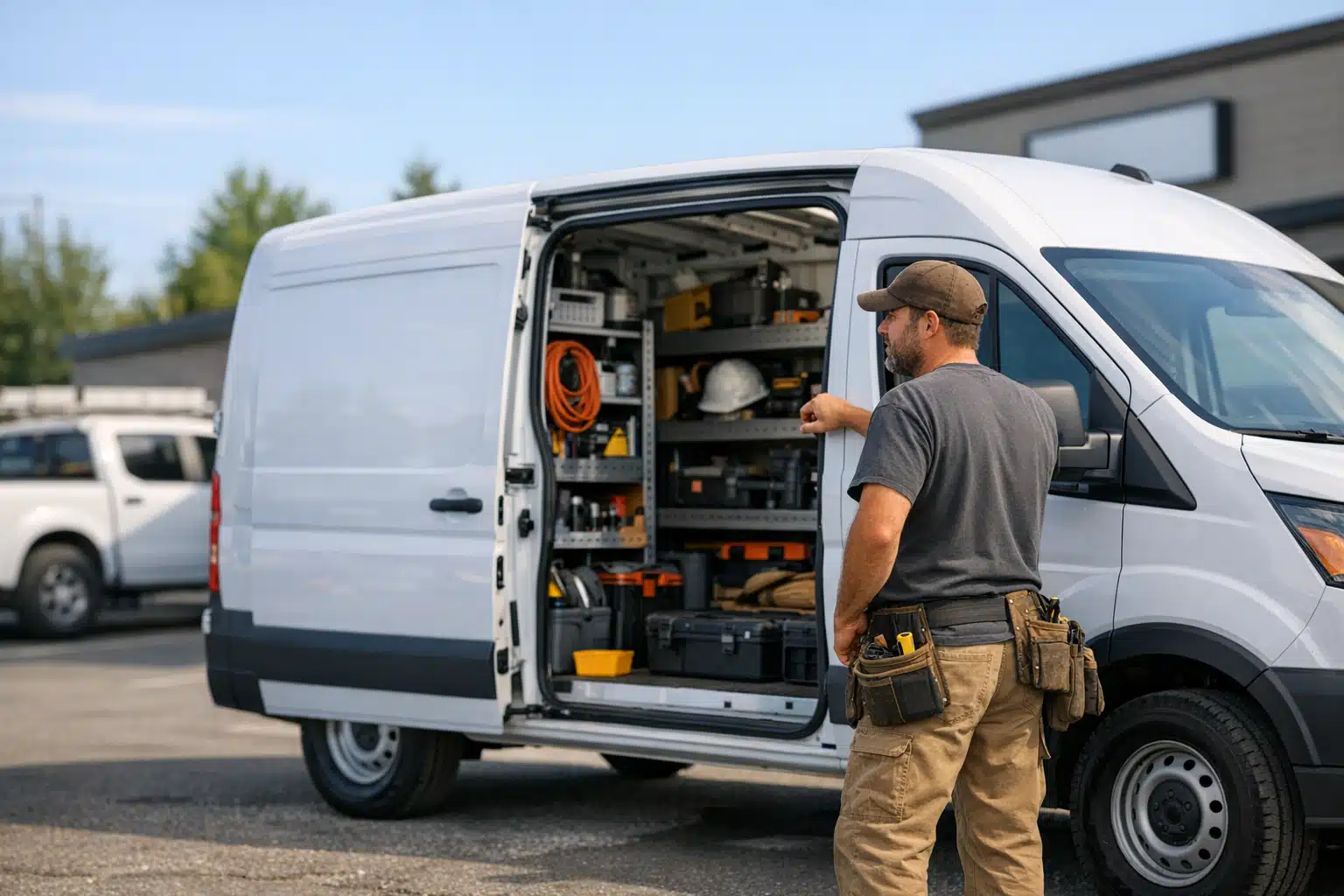
Montana LLC registration allows contractors, mobile service businesses, and specialty vehicle owners to register work vans, box trucks, and service rigs while saving thousands in sales tax. The strategy works for non-trucking commercial vehicles but has specific limits and compliance requirements heading into 2026.
- Non-trucking commercial vehicles like cargo vans, service trucks, box trucks under 26,000 lbs, and mobile operations vehicles can register through a Montana LLC. The LLC must be properly formed with a registered agent, and the vehicle titled in the LLC's name.
- Home state enforcement is increasing in places like California, Texas, and Arizona. Vehicles regularly garaged or operated in one state may face scrutiny, and LLC substance with real business activity is key to legal protection.
- The strategy does not work for for-hire interstate trucking under FMCSA authority or vehicles over 26,001 lbs GVWR. Some states also impose personal property tax on vehicles regardless of Montana registration.
Yes, you can use a Montana LLC for commercial vehicles beyond RVs and luxury cars. Contractors, mobile service businesses, and specialty vehicle owners register work vans, box trucks, and service rigs through Montana LLCs. This strategy allows business owners to legally avoid sales tax and save thousands of dollars on vehicle registration costs while maintaining proper business structure.
Montana LLC commercial vehicle registration is not limited to RVs and luxury cars. Contractors, mobile service businesses, and specialty vehicle owners are registering work vans, box trucks, and service rigs under Montana LLCs — and saving thousands in the process.
This post breaks down exactly which non-trucking commercial vehicles qualify, what the registration rules look like heading into 2026, and where the strategy has real limits you need to know before moving forward.
What “Commercial Use” Means for Montana LLC Vehicle Registration
A commercial use vehicle is any vehicle used primarily for business purposes rather than personal transportation. That definition covers a wide spectrum beyond 18-wheelers and freight carriers.
Montana does not charge sales tax on vehicle purchases. The state does charge registration fees, but those are flat-rate and far lower than sales tax in states like California, Florida, or Texas — which can run 6–9% of purchase price.
For a $90,000 work van or a $150,000 specialty vehicle, that gap is significant.
The Non-Trucking Distinction
Non-trucking commercial vehicles are business-use vehicles that are not classified as for-hire motor carriers under federal FMCSA regulations. They are not pulling freight across state lines for hire. They are not operating under a DOT number for interstate commerce.
That distinction matters legally. Montana LLC registration works differently for non-trucking commercial vehicles than it does for regulated carriers. The compliance burden is lower, and the strategy is cleaner.
Which Non-Trucking Commercial Vehicles Can Register Under a Montana LLC
The vehicle types below are frequently registered through Montana LLCs by business owners across the country. Each one fits the non-trucking profile.
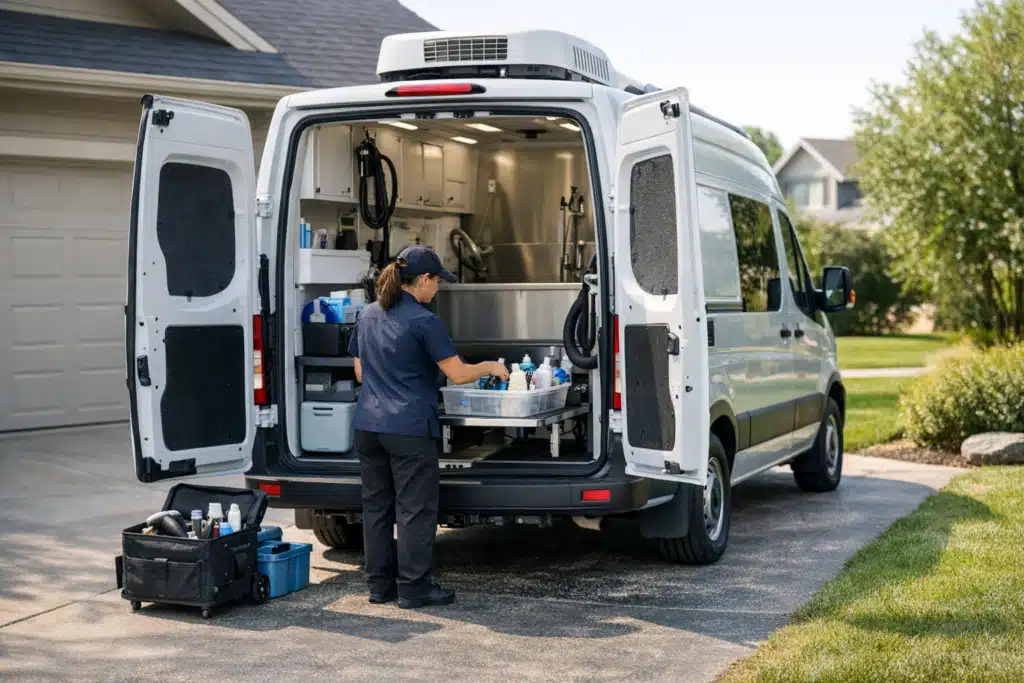
- Cargo and sprinter vans — Used by tradespeople, mobile pet groomers, medical couriers, and equipment haulers who are not operating as for-hire carriers
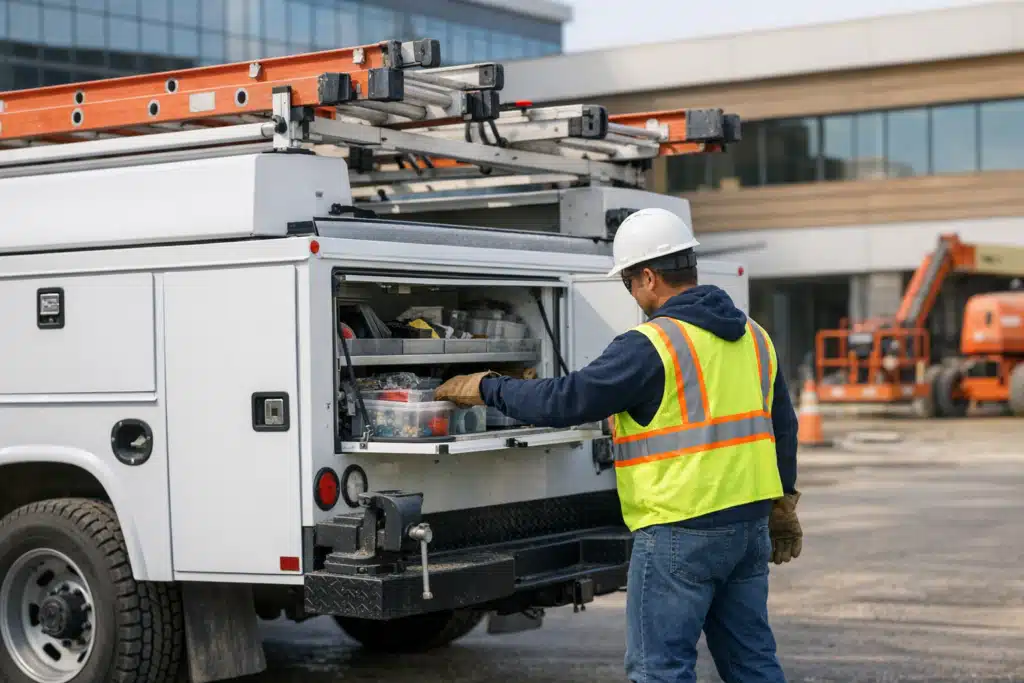
- Service body trucks — Plumbers, electricians, and HVAC technicians who own their own rigs and operate independently
- Box trucks under 26,000 lbs GVWR — Small delivery operations, moving companies, and contractors that stay below CDL and FMCSA thresholds
- Mobile command and operations vehicles — Film production vehicles, mobile offices, and specialty rigs built on a commercial chassis
- Work-purpose RV-style vehicles — Units built on commercial platforms but used as mobile showrooms, training vehicles, or work-from-anywhere business assets
- Horse trailers and livestock haulers — When not used for commercial livestock transport regulated by the USDA or state agriculture agencies
- Luxury or specialty commercial SUVs — High-value vehicles used for executive transport, real estate professionals, or client-facing business roles
If the vehicle is titled to the Montana LLC and operated by a member of that LLC, the registration is legitimate. The LLC is the owner. The member is operating a company-owned vehicle.
How the Montana LLC Registration Works for Business Vehicles
Montana LLC commercial vehicle registration follows the same basic structure whether the vehicle is an RV or a work van. The LLC is formed in Montana. The vehicle is purchased and titled in the LLC’s name. Montana registration and plates follow.
Step-by-Step Registration Path
- Form a Montana LLC — The LLC must be properly registered with the Montana Secretary of State. A registered agent in Montana is required.
- Purchase the vehicle in the LLC’s name — The bill of sale and title application list the LLC as buyer and owner, not the individual member.
- Apply for Montana registration — The LLC applies for a Montana title and registration. The vehicle receives Montana plates.
- Maintain the LLC in good standing — Annual reports must be filed with Montana. Letting the LLC lapse creates title and registration problems.
- Carry appropriate insurance — Commercial auto insurance in the LLC’s name is required. Personal auto policies typically exclude business-use vehicles.
No Montana residency is required. That is the legal foundation of why this works. Montana allows non-residents to form LLCs and own property — including vehicles — through those entities.
The 2026 Compliance Landscape for Montana LLC Commercial Vehicles
2026 is bringing increased scrutiny to Montana LLC vehicle registrations, and commercial vehicle owners need to pay attention to two specific pressure points.
Home State Enforcement Is Increasing
States like California, Texas, Arizona, and Colorado have become more aggressive about identifying Montana-plated vehicles that are actually domiciled in-state. For commercial vehicles, this creates additional exposure.
A work van parked in a California contractor’s driveway every night is a target. A box truck operating exclusively in one state draws attention from that state’s DMV and, in some cases, its department of transportation.
The key legal protection is genuine LLC substance. The LLC cannot be a shell with no business activity. There should be a legitimate business reason for the LLC to exist beyond vehicle registration. Operating agreements, bank accounts, and business activity logs all matter.
Commercial Vehicle Inspections and DOT Compliance
Non-trucking commercial vehicles under 10,001 lbs GVWR generally stay below federal DOT registration requirements. Vehicles between 10,001 lbs and 26,000 lbs GVWR may require USDOT numbers if they cross state lines for business purposes — even without for-hire status.
Montana plates do not exempt a vehicle from federal weight-based regulations. A 24,000 lb GVWR box truck registered in Montana still needs to meet federal safety standards if it operates across state lines. The registration address and the federal compliance requirement are separate issues.
In 2026, enforcement at weigh stations and roadside inspections is expected to include closer review of vehicle ownership documentation. Having clean LLC paperwork — operating agreement, proof of LLC status, and insurance matching the registered owner — reduces that risk substantially.
Property Tax in Your Home State
Some states, particularly those with personal property tax on vehicles, are flagging Montana-plated commercial vehicles owned by residents. Virginia, Missouri, and West Virginia are known examples. If your home state taxes business personal property, a Montana LLC does not automatically shield the vehicle from that tax. Tax counsel in your home state is a smart investment before registering a commercial vehicle through Montana.
Where the Montana LLC Strategy Has Real Limits
Montana LLC commercial vehicle registration is a legal strategy with documented limits. Knowing where it stops working is as important as knowing where it works.
- For-hire interstate trucking — Vehicles operating under FMCSA authority as interstate for-hire carriers need USDOT numbers, operating authority, and often state apportioned registration through IRP (International Registration Plan). Montana LLC registration does not replace that.
- Vehicles garaged in states with aggressive enforcement — California is the clearest example. California law requires vehicles to be registered in-state if they are based in California. The state actively investigates. Commercial vehicles with regular California operation are higher-risk than RVs.
- Employer-employee vehicle use — If the Montana LLC vehicle is driven by employees (not just members or managers), the employment relationship and state payroll tax obligations can tie the LLC to the home state more firmly.
- Vehicles over 26,001 lbs GVWR — These fall into heavier federal and state regulatory categories that interact with registration in more complicated ways. Montana LLC registration may still apply to the title, but other compliance requirements layer on top.

 Posted on Google
What Makes TaxFree RV Different for Commercial Vehicle Owners
Most Montana LLC registration companies are built around one vehicle type: the RV. Their intake forms ask about slide-outs, not cargo capacity. Their support team knows manufacturer suggested retail prices for motorhomes, not service body configurations.
TaxFree RV handles Montana LLC commercial vehicle registration for work vans, service trucks, specialty rigs, and high-value business vehicles — not just RVs. The process for a $120,000 Sprinter-based mobile medical unit is different from a Class A motorhome, and the documentation requirements reflect that.
For 2026 compliance, TaxFree RV clients get guidance on LLC substance, documentation best practices, and the state-specific questions that matter for their situation. The goal is a registration that holds up — not one that creates problems 18 months later.
Frequently Asked Questions
Can a Montana LLC own a commercial van used by a sole proprietor?
Yes. A single-member Montana LLC can own and register a commercial van. The sole proprietor is the LLC member. The van is a company asset. This is one of the more common structures for independent tradespeople and mobile service operators.
Does the vehicle have to be purchased in Montana?
No. The vehicle can be purchased anywhere. The title is issued in Montana in the LLC’s name. Montana does not require the vehicle to be delivered or located in the state.
What insurance is required for a Montana LLC commercial vehicle?
The insurance policy must list the Montana LLC as the named insured. Commercial auto insurance is required for business-use vehicles. The coverage type — general liability, cargo, hired and non-owned — depends on how the vehicle is used.
Will Montana LLC registration save money on a $200,000 specialty vehicle?
In most cases, yes — if the buyer’s home state charges sales tax on vehicle purchases. At 8% sales tax, a $200,000 vehicle carries a $16,000 tax bill. Montana charges no sales tax. The LLC formation and registration costs are a fraction of that amount. The math is straightforward.
The calculation changes if the home state later assesses use tax or property tax on the vehicle. That is a state-specific question, not a Montana question.
Key Takeaways
Montana LLC commercial vehicle registration applies to a broad range of non-trucking business vehicles — from sprinter vans to mobile operations rigs. The 2026 compliance environment rewards LLCs with real substance and proper documentation. Vehicles operated primarily in high-enforcement states like California carry more risk than those with multi-state or low-scrutiny operations.
If you own a specialty commercial vehicle, a service fleet, or a high-value work vehicle, and you want to know whether a Montana LLC registration fits your situation, contact TaxFree RV at 1-888-441-5741 or sales@taxfreerv.com. You can get started at taxfreerv.com.
Sources
- FMCSA – Do I Need to Register My Vehicle?
- Montana Secretary of State – Limited Liability Companies
- IRS – Single Member Limited Liability Companies