
Montana LLC Registration for Boats Stored Out-of-State: What Owners Must Know
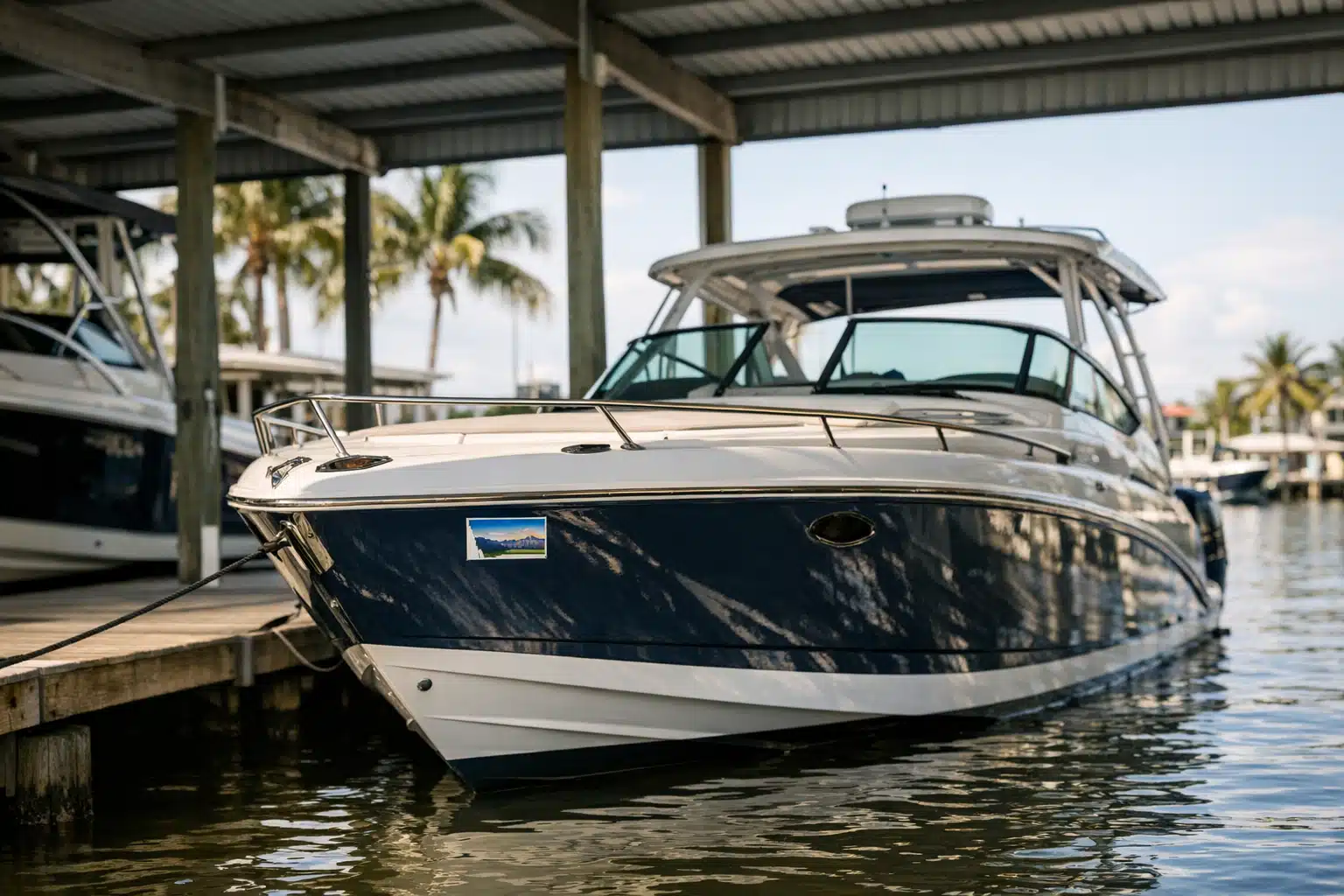
Registering a boat through a Montana LLC is legal and can save on sales tax, but owners storing vessels out of state must follow home state rules to avoid registration requirements, use tax, and insurance issues.
- Most states define primary use as 60 to 90 days per year - if a boat stays longer, the state may require local registration and impose use tax. California, Florida, Texas, and New York actively enforce these rules.
- Insurance policies are based on where the boat is actually kept, not where it is registered. Listing an incorrect location can void claims entirely, so owners should disclose the real mooring location and confirm coverage in writing.
- Proper LLC maintenance is required for liability protection to hold up in court. This includes keeping the LLC active, using a separate bank account, and tracking days spent in each state to stay within non-resident limits.
Registering a boat through a Montana LLC while storing it in another state is legal but comes with specific requirements. Owners must understand the rules around physical storage location, insurance coverage, and compliance with their home state's regulations. Many owners sign paperwork without reading these details, which can lead to unexpected issues with local authorities or insurance claims.
Your boat is registered to a Montana LLC, but it lives in a marina in Florida, a storage facility in Texas, or a lake house in the Carolinas. That setup is completely legal — but it comes with rules most owners never read before they sign the paperwork. This post covers what montana llc boat registration out of state actually means for storage, insurance, and compliance in your home state.
Montana LLC registration for boats has grown popular because Montana charges no sales tax and no use tax on vehicle or vessel purchases. For a $200,000 boat, that can mean $15,000 or more in avoided taxes. But the LLC structure only protects you if you run it correctly — and storage location is one of the first places owners slip up.
Read this before you assume your registration handles everything.
Can You Store a Montana LLC-Registered Boat Outside of Montana?
Yes. A boat registered to a Montana LLC can be stored, moored, or used in any state. Montana law does not require LLC-owned vessels to be physically present in Montana at any point. The LLC is a legal entity registered in Montana — the boat is property of that entity.
That said, your home state may have its own rules about vessels used or stored within its borders. Those rules are separate from Montana’s and can trigger registration or tax obligations regardless of your LLC’s Montana registration.
What Your Home State Can Still Require
This is where most Montana LLC boat owners get blindsided. Montana registration does not override home state law. States have the authority to require registration and impose taxes on vessels that are primarily used or stored within their borders.
The “Primarily Used” Standard
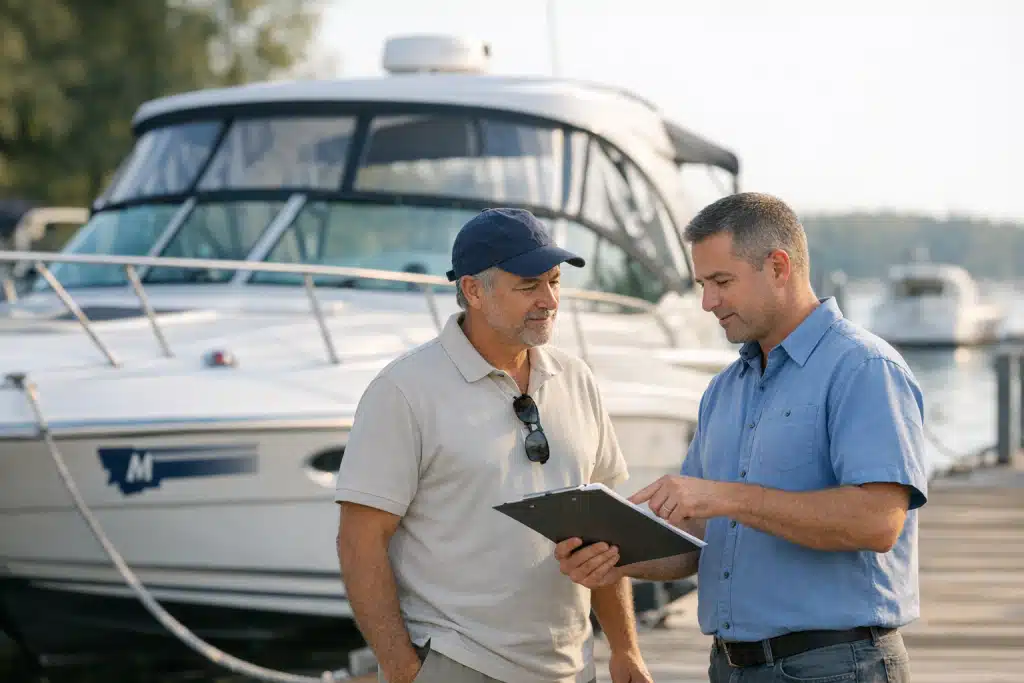
Most states define primary use as 60 to 90 days within the state per calendar year. If your boat sits in a Florida marina for five months, Florida may consider it a Florida vessel — regardless of the Montana plate or registration card on file.
States with known enforcement on this issue include California, Florida, Texas, and New York. Each has its own threshold, but the pattern is the same: if the boat is there most of the year, the state wants its registration fee and possibly its sales or use tax.
Use Tax Exposure
Use tax is the charge a state imposes when you bring property purchased elsewhere into the state for ongoing use. It is designed specifically to capture purchases made to avoid in-state sales tax. Several states have begun auditing boat registrations and cross-referencing marina records, insurance policies, and trailer registrations to identify vessels using Montana LLCs to sidestep local tax obligations.
California, for example, actively pursues use tax on vessels kept in-state. The California Department of Tax and Fee Administration has the authority to assess use tax on the full fair market value of the boat if it determines the purchase was made to avoid California sales tax.
Non-Resident Vessel Permits
Some states offer a grace period for non-resident vessels through a temporary use permit. Florida, for instance, allows non-resident boats to operate in state waters for up to 90 days before registration is required. These permits are worth knowing about because they give you a documented, legal window to keep your boat in-state without triggering a registration mandate.
Track your days carefully. Permit limits exist on paper, but enforcement at the marina level is inconsistent — and inconsistency is not the same as immunity.
Montana LLC Boat Registration Out of State: The Insurance Problem
Registration is only part of the equation. Insurance is where Montana LLC boat owners face the most practical risk.
Where the Boat Is Kept Matters to Underwriters
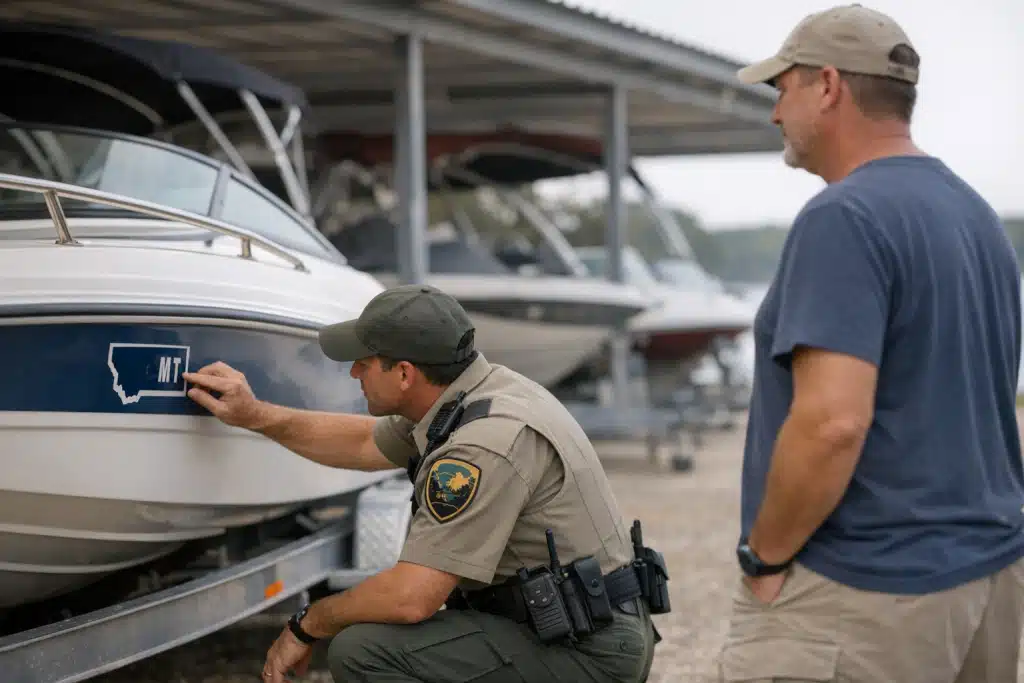
Marine insurance policies are underwritten based on where the vessel is garaged or moored — not where it is registered. If your policy application lists a Montana address for an LLC but the boat is actually kept at a marina in South Carolina, you have provided inaccurate information to your insurer.
That discrepancy can void a claim. Not reduce it — void it entirely.
How to Structure Your Coverage Correctly
When getting marine insurance on an LLC-registered boat, do the following:
- List the LLC as the named insured, not yourself personally
- Disclose the actual mooring or storage location on the application
- Confirm the policy covers the operating area where you actually use the boat
- Ask whether the insurer has experience with Montana LLC-registered vessels
- Get confirmation in writing that the policy is valid for the state where the boat is stored
Some insurers refuse to write policies for Montana LLC-registered boats. Others will write them without issue. Find an insurer who understands the structure before you bind coverage.
Liability Coverage and the LLC
One legitimate reason to hold a boat in an LLC is liability separation. If someone is injured on your boat and sues, they are suing the LLC — not you personally. That protection is real, but it requires the LLC to be properly maintained. An LLC that exists only on paper, with no separate bank account, no operating agreement, and commingled personal finances, can be pierced by a court. The liability shield disappears.
Keep the LLC alive and operational. Pay the annual Montana filing fees. File any required reports. Use an LLC bank account for expenses tied to the vessel.
Boat Storage Legal Compliance: What “Running It Right” Actually Looks Like
Boat storage legal compliance with a Montana LLC is not complicated, but it requires consistent attention. Here is what a properly maintained setup looks like in practice:
- Montana LLC is active — annual report filed, registered agent maintained, good standing with the Montana Secretary of State
- LLC owns the boat — the title and registration are in the LLC’s name, not the individual owner’s name
- Insurance reflects the LLC — named insured is the LLC, mooring location is accurate on the policy
- Day count is tracked — owner knows how many days the boat has been in each state and stays within non-resident thresholds
- Home state rules are researched — owner has confirmed whether their state of residence requires registration or imposes use tax based on in-state storage
- No personal commingling — LLC bank account used for marina fees, maintenance, fuel, and other vessel costs
Skipping any of these steps does not automatically cause a problem on day one. But it creates exposure that grows over time, particularly as states increase enforcement activity on out-of-state registrations.
States With the Most Active Enforcement
Not every state pursues this aggressively. Some states have no sales tax and no interest in what registration your boat carries. Others have dedicated audit programs.
States where Montana LLC boat owners face the highest scrutiny:
- California — uses tax board has broad authority to assess use tax; marina records are subpoenaed in audits
- Florida — Department of Revenue actively audits boat purchases and registrations; temporary permits are finite and tracked
- New York — aggressive use tax enforcement; purchases made through out-of-state entities are specifically examined
- Washington — use tax applies to vessels used in-state; registration required after 60 days
- Texas — no income tax but does impose sales and use tax; vessels stored at Texas marinas are subject to review
If your boat lives in one of these states most of the year, consult a tax attorney who handles marine or vehicle tax law in that state before assuming your Montana registration is your only obligation.

 Posted on Google
What Happens If You Get Audited or Cited
States can assess back taxes, interest, and penalties if they determine your boat should have been registered locally. In California, the look-back period can extend three years. In some cases, penalties reach 25% of the assessed use tax.
The audit trigger is often something mundane: a marina that reports slip holders to the county tax assessor, a trailer registered in your home state that gets pulled over, or an insurance claim that surfaces address discrepancies.
Penalties aside, the bigger cost is legal fees to fight an assessment. That expense can exceed whatever sales tax you avoided on the original purchase.
How TaxFree RV Helps Boat Owners Set This Up Correctly
TaxFree RV forms and maintains Montana LLCs for boat owners across the country. The registration side of the equation — forming the LLC, titling the vessel in the LLC’s name, obtaining Montana registration — is handled completely.
Owners who store their boats out of state still need to address the home state compliance side. TaxFree RV can point you toward the right questions to ask a local tax attorney, and it can make sure your Montana LLC stays in good standing so the structure holds up if it is ever scrutinized.
A registration that lapses or an LLC that falls out of good standing can unravel the entire structure at the worst possible time.
Key Takeaways
Montana LLC boat registration out of state is legal and widely used. The boat can be stored anywhere. Montana imposes no residency requirement on the vessel itself.
Your home state may still have registration and use tax requirements based on where and how long the boat is physically present. Boat storage legal compliance with a Montana LLC means tracking days in-state, keeping the LLC active, and insuring the vessel accurately based on its actual location.
To get your Montana LLC set up correctly for a boat purchase, contact TaxFree RV at taxfreerv.com, call 1-888-441-5741, or email sales@taxfreerv.com.
Sources
- California Department of Tax and Fee Administration – Tax Guide for Purchasers of Vessels
- Florida Department of Revenue – Sales and Use Tax
- Montana Secretary of State – Business Services